Choose vinyl around the intended use
A sticker for a laptop, a label for a handled container and a promotion on a shop display may all look similar in a portfolio, but their practical requirements differ. Start by describing the object and the expected use. Will the sticker remain indoors, be touched frequently, face splashes or need to come away later?
Vinyl is a material family, not a universal performance promise. A suitable film construction can offer a useful alternative to standard paper, but the proposed product needs to match your conditions. Include the application surface and any specific resistance you require. That allows the quotation to identify a considered combination of film, adhesive and protective treatment rather than relying on a broad description such as heavy duty.
Give a promotional sticker a clear identity
Promotional stickers work best when the design has an immediate purpose. It might be a recognisable wordmark, a strong illustration or a short message associated with your brand. Keep the visual hierarchy simple enough to understand without studying it. A sticker that travels with the customer needs to make sense outside the original packaging.
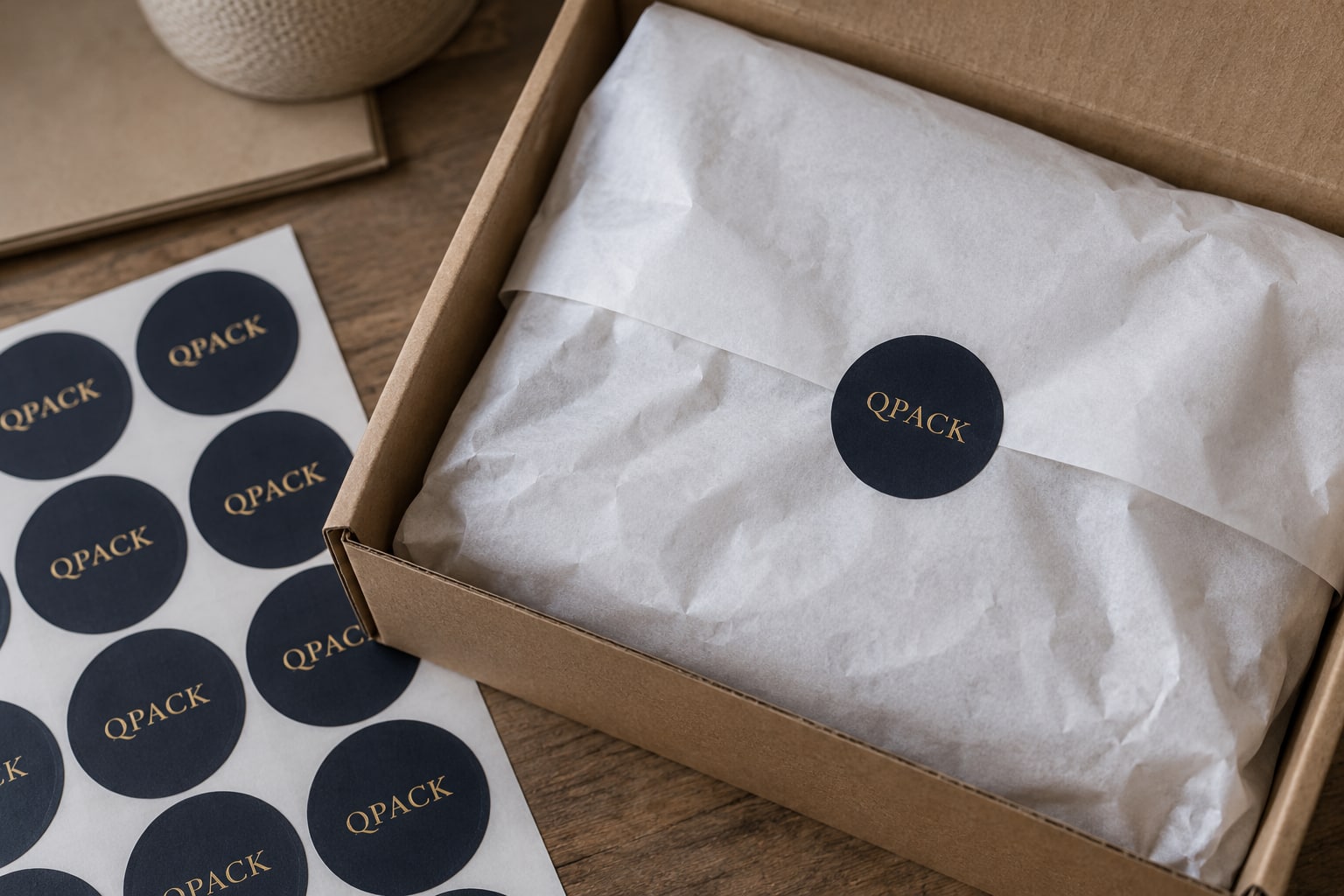
If you plan to include stickers in parcels, consider the size alongside the other inserts. It should feel intentional and easy to keep, rather than oversized for the box. For an event, think about how people will carry it away and remove the backing. These small handling decisions can influence whether a sticker becomes a useful brand touchpoint or remains unused at the bottom of a bag.
Explore shapes with practical edges
A standard circle, oval or rectangle can make a logo feel clean and established. A custom outline can follow a wordmark or illustration, giving the sticker a more individual silhouette. The choice should support the artwork and remain easy to peel and apply. Very narrow projections and tightly detailed edges deserve particular attention.
Provide the finished width and height, including the intended border. A white border can separate coloured artwork from the background it is placed on, but its thickness should be considered at actual size. Ask for the final cutting requirements before preparing a complex outline. A size mockup can help you see whether the sticker remains recognisable on the intended object and whether the shape is comfortable to handle.
Match the adhesive to the surface
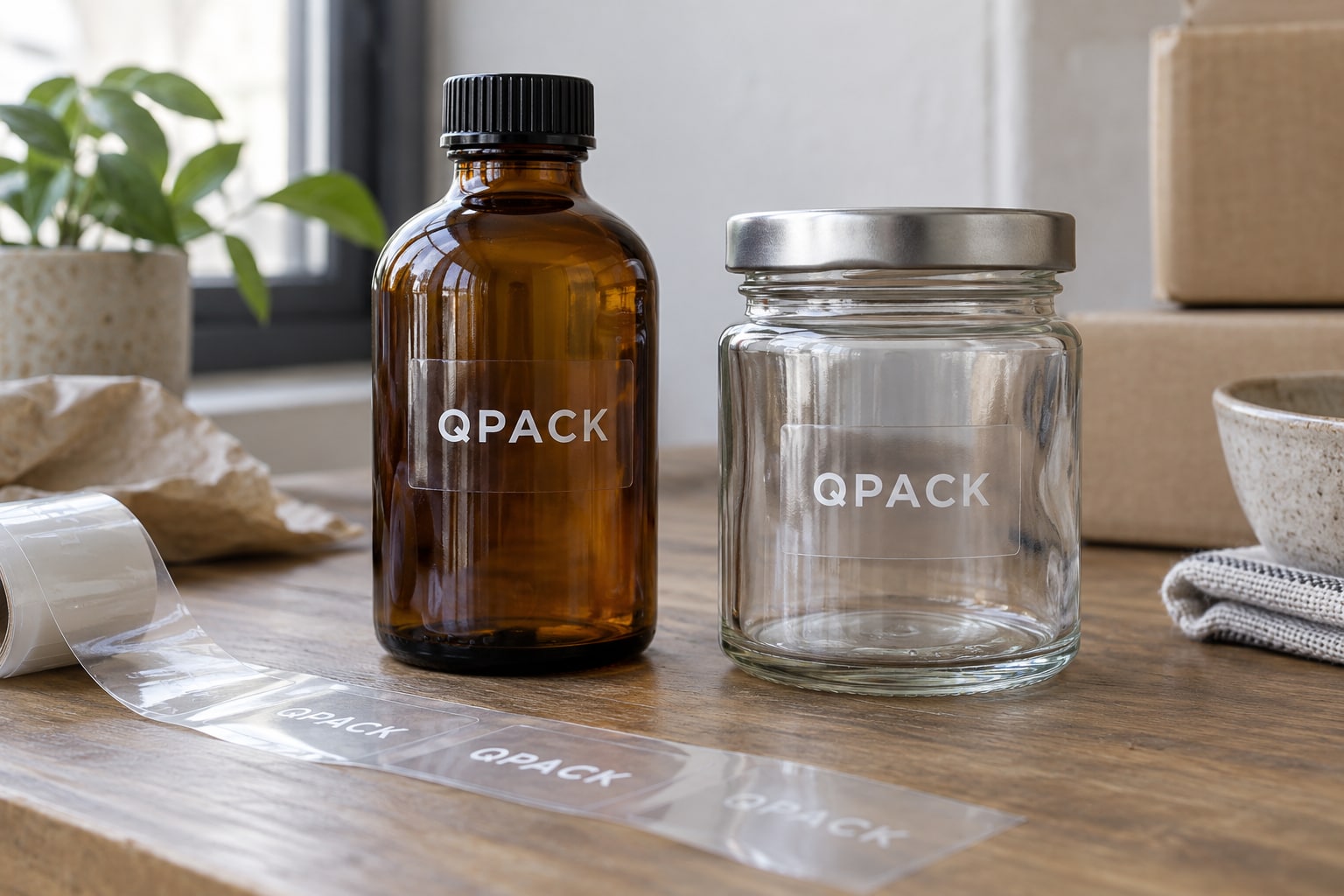
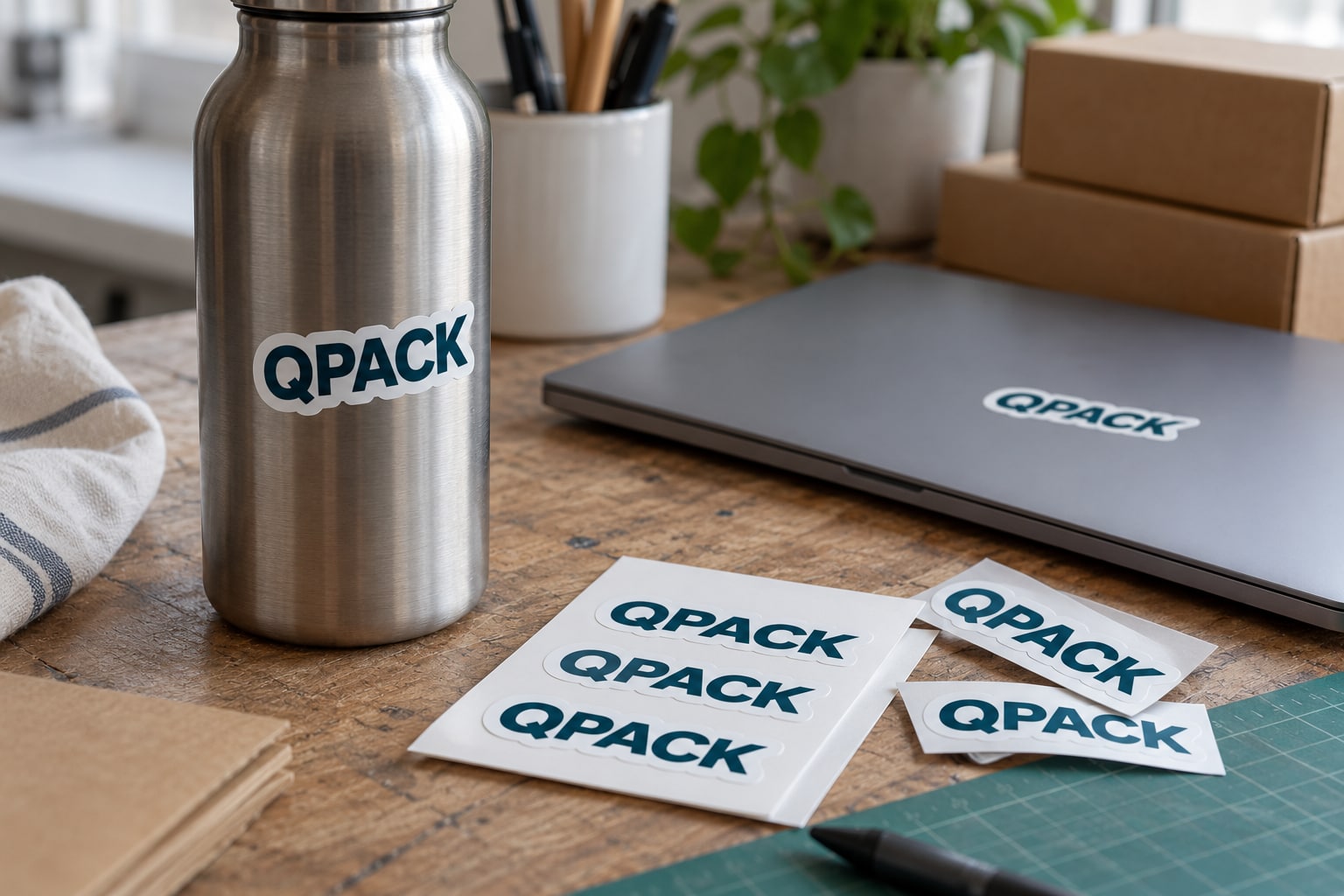
The surface under a sticker is part of the specification. Smooth metal, glass, textured paint and different plastics may need different adhesive behaviour. Curves and flexible containers add further considerations because the label must follow the shape without becoming an awkward rigid patch. A photo and the material name help explain the application.
Tell us whether the sticker should stay in place permanently or be removed after a promotion. Removable does not automatically mean suitable for every delicate finish, and permanent does not establish performance on every difficult surface. For unfamiliar objects, test an agreed sample in an unobtrusive area and under the expected conditions. A clean, dry application surface is a useful starting point, with preparation following the material guidance.
Describe moisture and outdoor exposure precisely
Words such as waterproof and weatherproof can hide very different expectations. Occasional splashes, full immersion, repeated cleaning and prolonged outdoor exposure are separate demands. Explain which one applies to your project, including any contact with cleaning products, oils or unusual temperatures. The whole printed construction needs to be assessed.
Do not assume that a sticker suitable for a bottle is approved for a dishwasher, or that an indoor promotional film has a defined outdoor lifespan. If a specific durability period matters, request confirmation for the proposed material and finish. A realistic brief helps distinguish a decorative sticker from a product that needs documented resistance. It also avoids paying for an unnecessary specification when the intended use is straightforward.
Choose a finish that suits the message
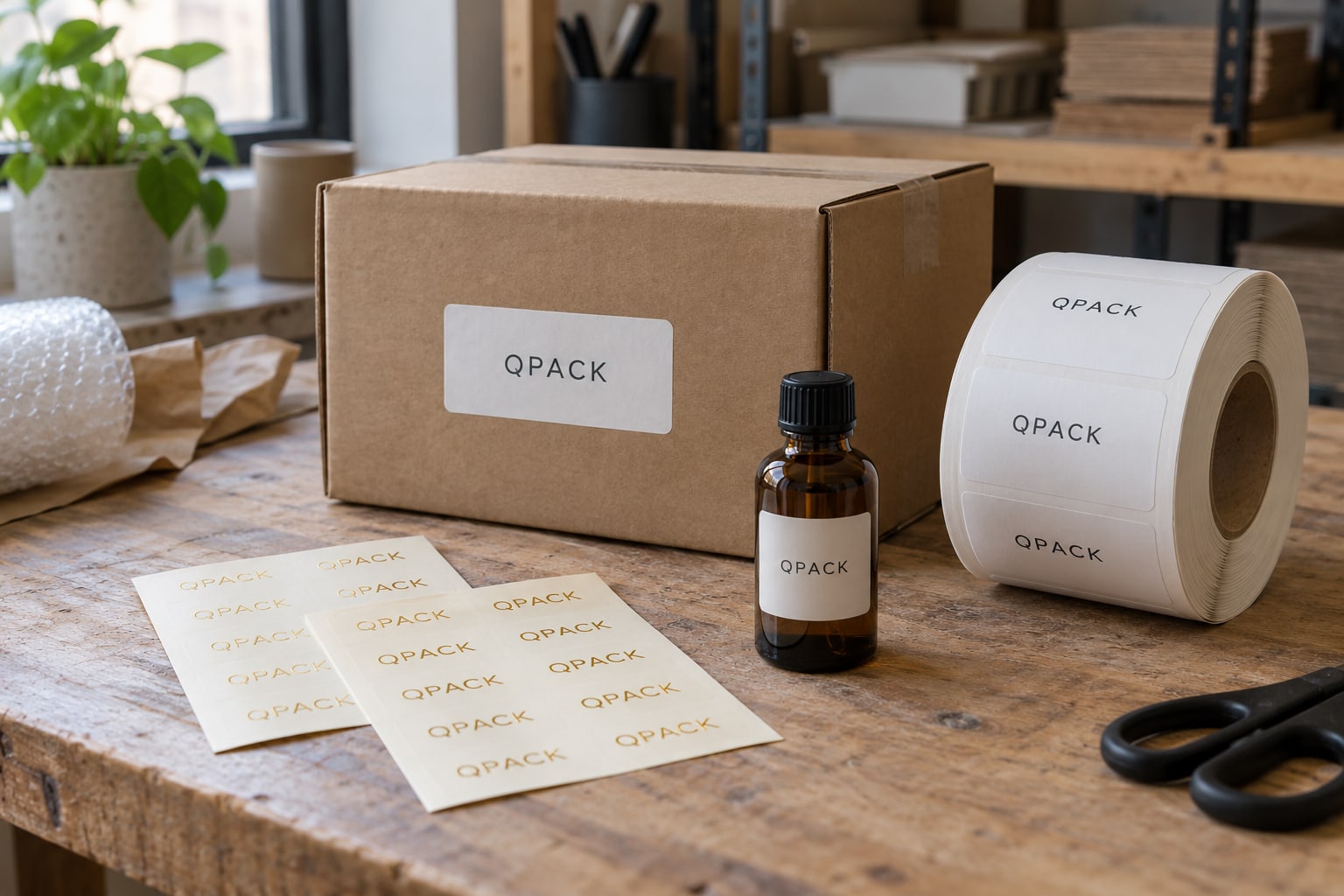
A matt appearance can give bold artwork a quieter surface and reduce distracting reflections in some settings. Gloss can create a brighter-looking presentation and may suit vivid designs. The finish also interacts with handling and the printed colours, so it should be selected as part of the complete sticker rather than added as an afterthought.
If the artwork needs to match another printed product, share that reference. A digital proof can confirm layout and wording but cannot fully demonstrate texture or sheen. For scanning elements, reflections and contrast need particular attention. Keep barcodes and QR codes in a clear area and assess a printed example on the actual object. A beautiful finish should still allow the information to perform its intended job.
Prepare artwork that cuts and prints cleanly
Send the original logo or illustration where available, ideally in a format that preserves clean outlines and lettering. If the design contains photographs, provide a suitable source image for the finished size. Avoid increasing a small screenshot and assuming the extra pixels will restore missing detail. Include a simple reference image if the intended arrangement needs explaining.
For a custom shape, identify the cut outline separately from the printed artwork according to the agreed template. Keep critical content safely inside the edge and extend background colour where bleed is required. If multiple designs share a sheet or order, name them clearly and give quantities for each. These details help keep the artwork review focused and reduce ambiguity when the final specification is prepared.
Think about application and storage
A good application routine supports the material choice. Plan a clean work area, keep fingers away from the adhesive where possible and position the sticker before pressing it into place. The right technique depends on the size and construction; large graphics should not be treated as though they are small parcel seals.
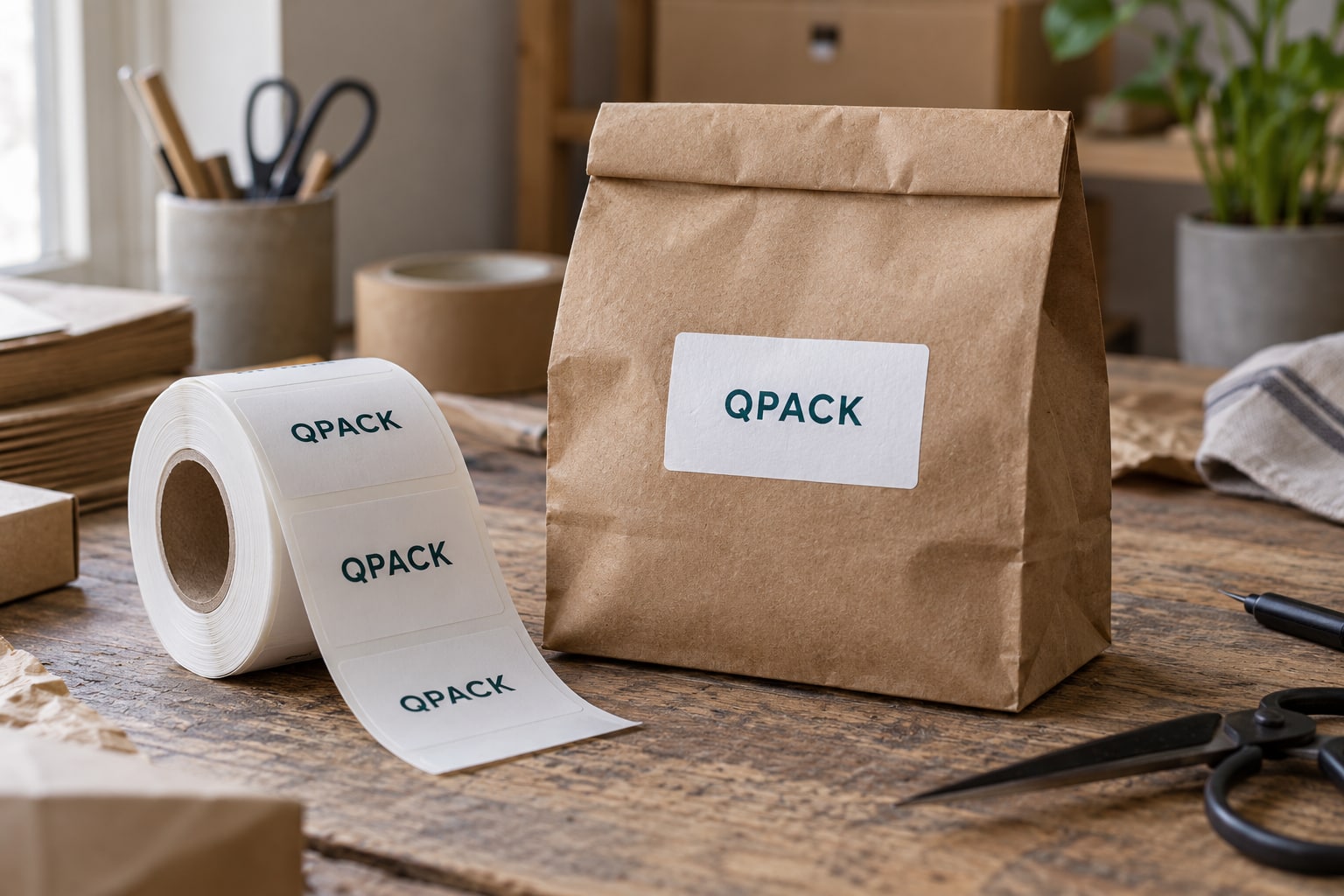
Tell us if staff will apply hundreds of labels by hand or use a dispenser or machine. Sheets, individual pieces and rolls suit different routines and are subject to the chosen specification. For machine use, share the applicator requirements. Store unused stickers according to the supplied guidance, protecting them from unsuitable heat, damp and contamination. If the order will be used over a long period, mention that when discussing quantities.
Build a useful vinyl sticker enquiry
Select vinyl stickers in the form, enter your quantity and share the finished size if known. Describe the object, surface material and whether the design is a standard shape or a custom cut. Add your artwork when available. If you are unsure about the finish, explain the appearance you prefer rather than choosing a technical term at random.
Use the optional specification fields for moisture exposure, removability and supply format. If you have a fixed launch or event date, include it so production and delivery can be checked. The quotation should confirm the actual construction and any agreed performance, along with price and timing. Specific requirements are much easier to assess when they are stated before artwork and material choices are finalised.