Start with the job your paper sticker will do
A paper sticker might be the only branding on a plain carton, or a small supporting detail in a complete packaging set. Decide whether its main purpose is recognition, information or presentation. A seal can carry a simple logo, while a product label may need a name, variant and practical details that customers can read quickly.
This decision helps you avoid overcrowding the artwork. If the same sticker is expected to perform several jobs, sketch the information in order of importance before choosing the size. Think about the packing process too. A sticker that looks good on a sample should also be comfortable to apply repeatedly, easy to distinguish from other variants and positioned consistently on the finished product.
Explore white, natural and textured directions
A white paper background gives the artwork a clear starting point and can suit both minimal branding and stronger colour. A natural brown appearance can complement kraft packaging, while a softly textured direction can add a different tactile impression. Ask which stocks are available for your size, artwork and supply format rather than assuming every appearance comes from the same paper.
The base colour affects the printed result. A colour designed on a bright white screen may look different against a brown or cream surface. If pale lettering or an exact brand colour is central to the design, discuss the print treatment before proceeding. A reference to an existing printed item can make that conversation more useful than a colour name alone.
Design a seal that belongs on the package
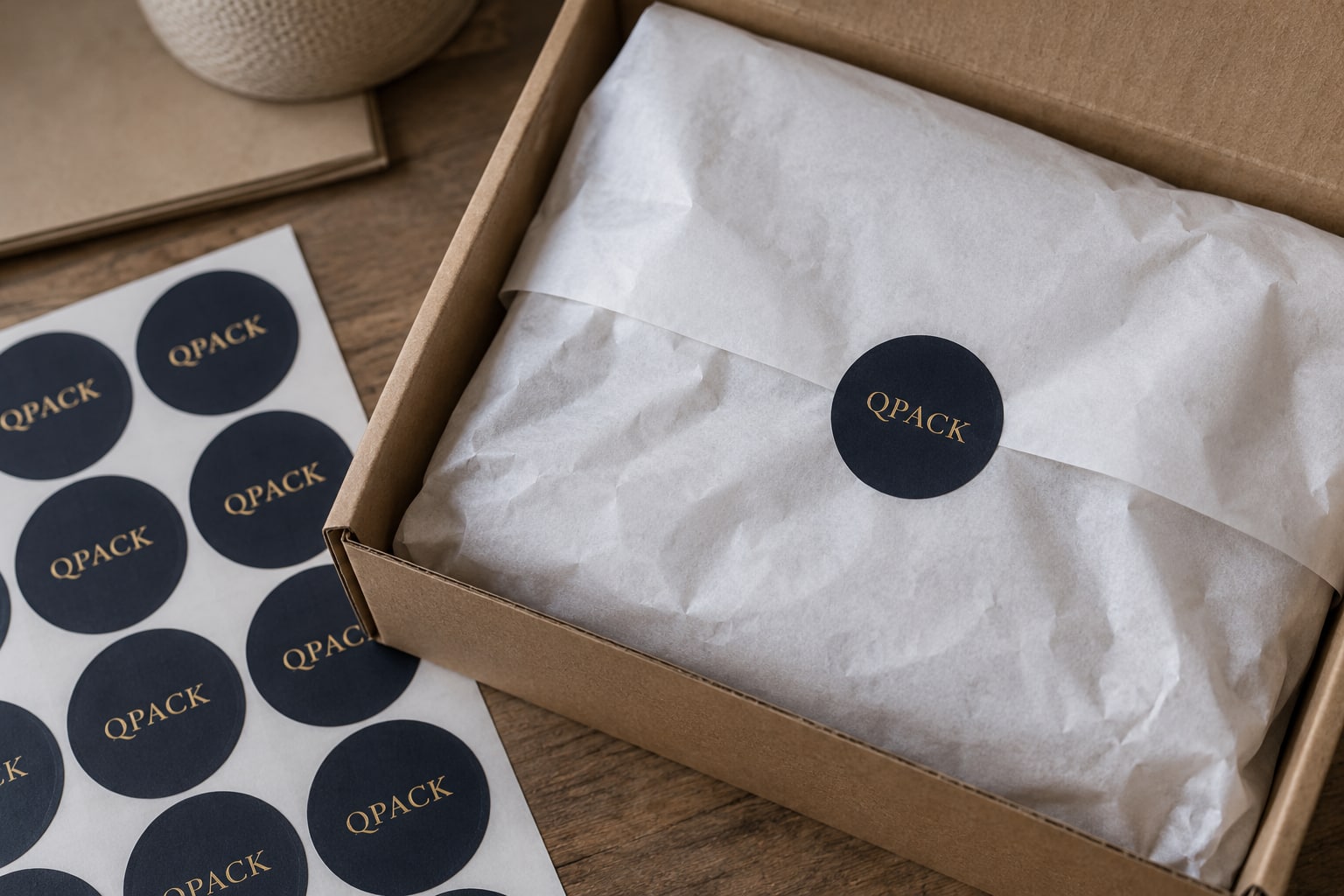
Consider the sticker alongside the packaging, not as an isolated square on a screen. A small circle may suit a tissue overlap, a wider rectangle can sit comfortably on a kraft bag, and a larger front label can give a plain box a clear identity. Match the proportions to the available space and the weight of the logo.
Create a paper mockup and place it where the finished sticker will sit. Check whether a handle, fold, flap or opening competes with the design. If the sticker crosses an opening, think about what the customer should do with it. Decorative packaging seals are different from specified tamper-evident constructions, so explain any security or controlled-opening requirement separately rather than assuming an ordinary seal provides it.
Use paper thoughtfully in different conditions
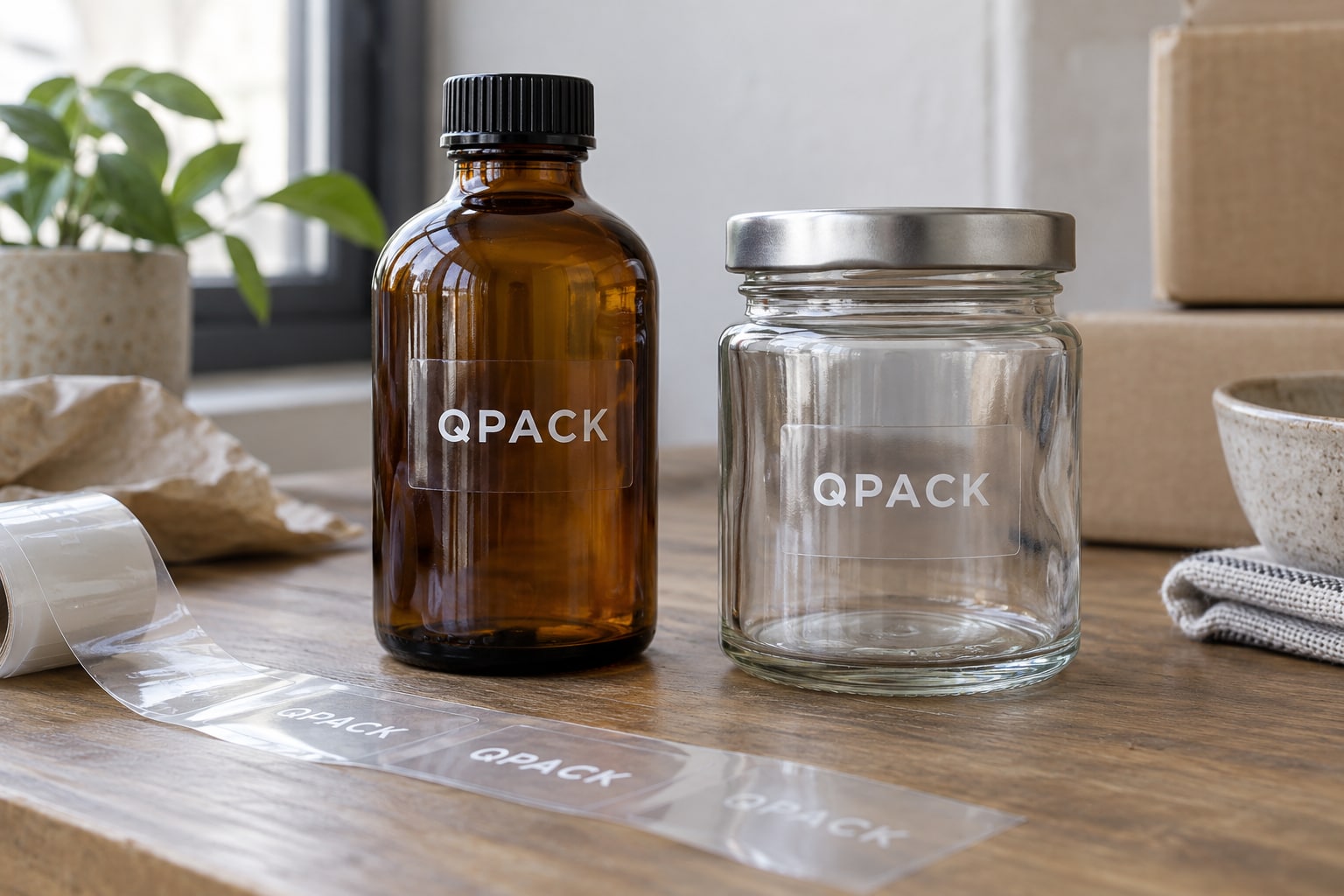
Standard paper labels are a useful starting point for dry packaging, but moisture, oil and repeated rubbing can change their appearance. A coating or specialist construction may offer different performance, yet the word paper alone does not establish resistance. Describe the full journey from packing to storage and customer use.
For example, a label on the outside of a dry gift box has a different role from one on a chilled jar. If condensation, freezer storage or frequent wiping is expected, include that information before a material is selected. You may need to compare a specialist paper with a film option. Testing on your actual packaging helps establish suitability more reliably than choosing solely by the appearance of a sample on a desk.
Keep the information clear at actual size
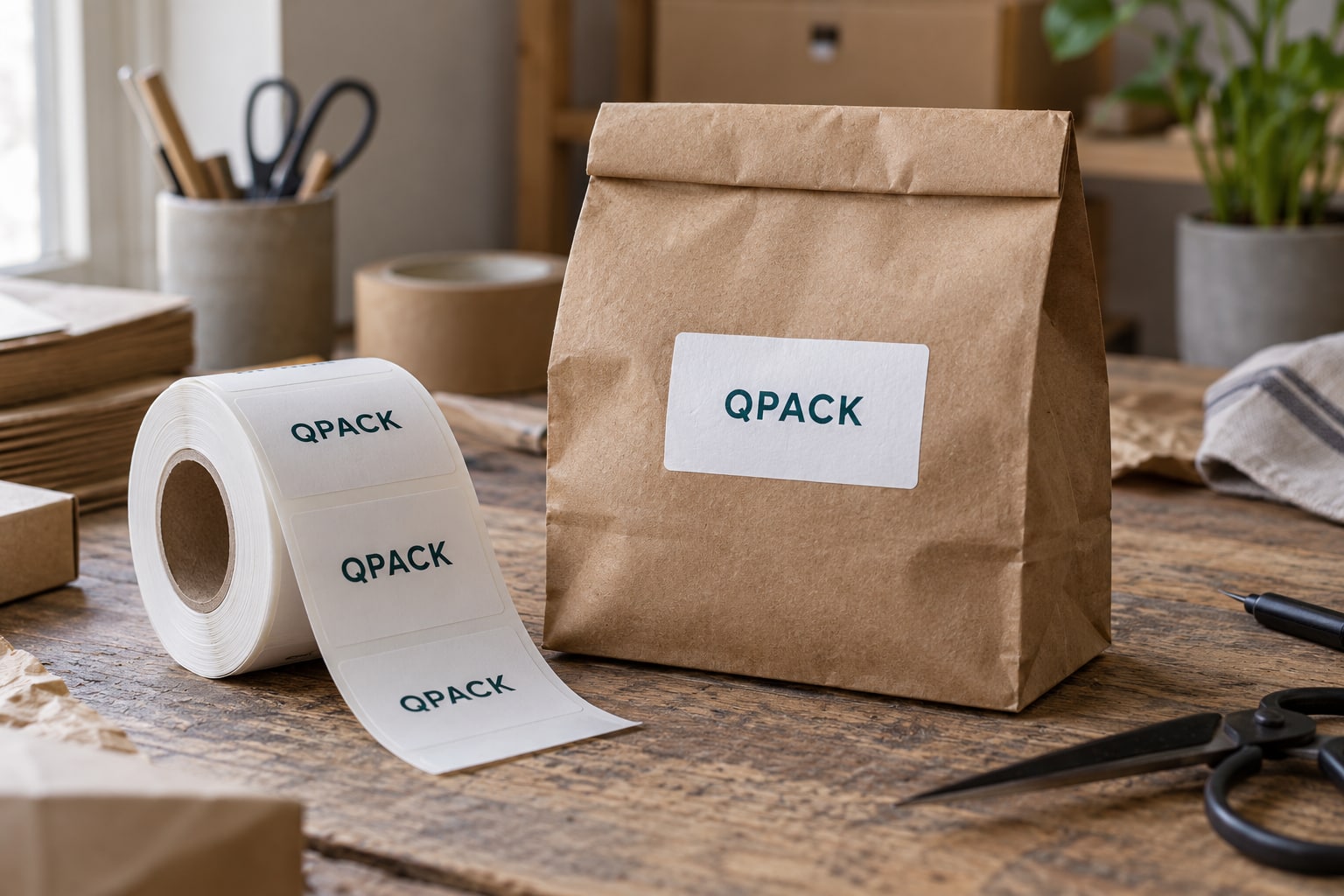
Paper labels often carry the details that make products easy to identify. Use a consistent place for the product name and keep smaller supporting text separate from decorative elements. Good spacing can make a label feel more professional even when the design is very simple. A large logo does not need to occupy every available millimetre.
Print the artwork at its intended size and read it without zooming. This reveals crowded lines and characters that are too delicate for the space. If several variants share a layout, check the longest name rather than only the shortest example. Leave room for the details that genuinely vary, and avoid shrinking the whole design each time a new product requires one extra line.
Select a practical supply format
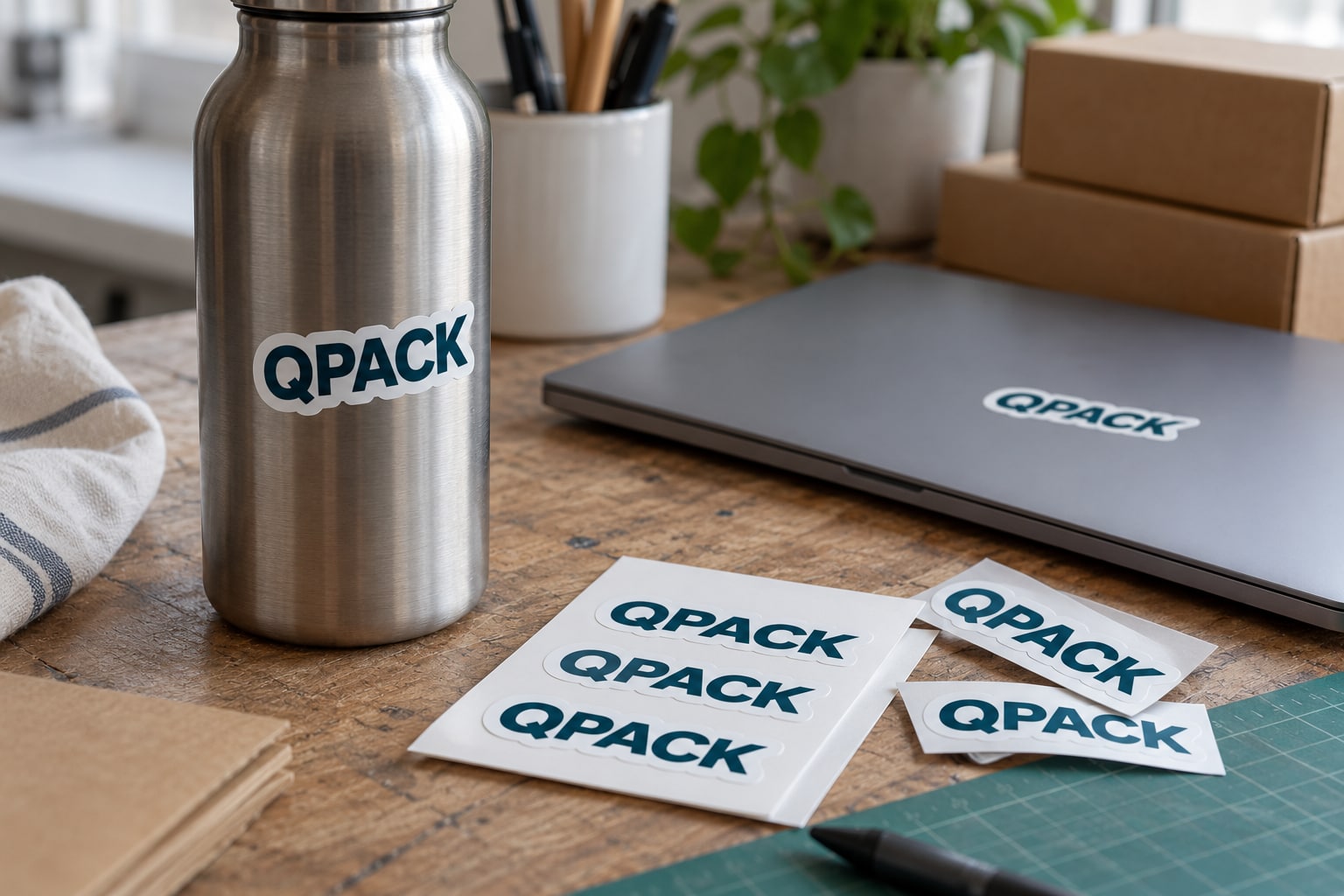
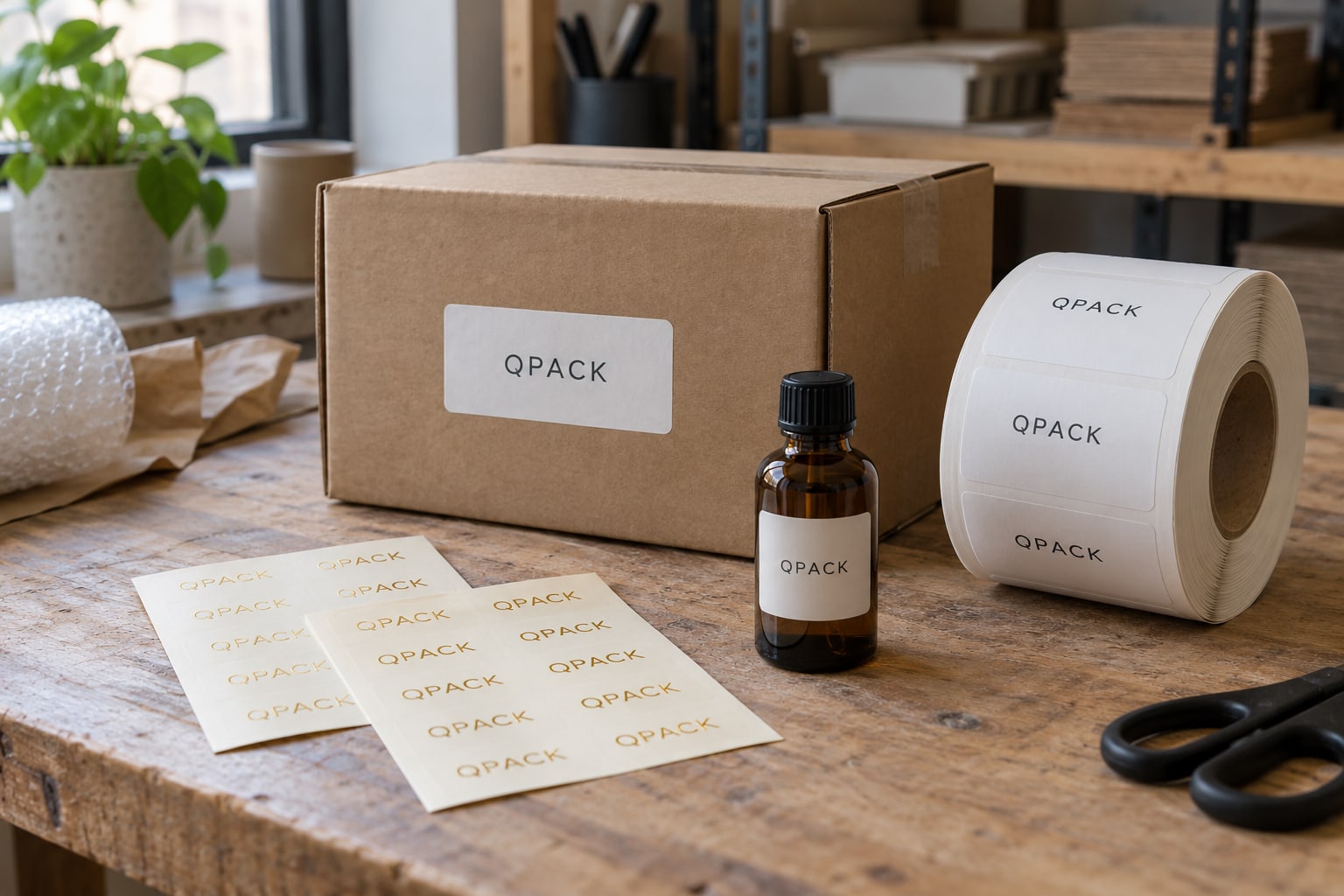
Sheets can be convenient when you apply a few labels at a time or keep several designs on the packing bench. A roll can suit repeated use, while individually supplied stickers may fit a promotional insert or an event. The suitable options depend on the material, shape, quantity and production route.
If labels will be machine-applied, share the applicator specification before the quote is finalised. Roll direction and core requirements are practical production details, not styling choices. If you apply labels by hand, consider how the backing will be held and how easily each shape can be lifted. A short trial using the intended packaging can help reveal awkward handling before you commit to a larger run.
Plan artwork for paper rather than a screen
Start with a clear logo file and the finished dimensions. Vector artwork is helpful for clean type and outlines, while photographs should be supplied at a suitable resolution for their printed size. A screenshot of a logo can be useful as a reference, but it is rarely the strongest production file when a better original exists.
Keep essential text inside the safe area and extend backgrounds according to the confirmed bleed requirement. Ask for the template before locking a border tightly against the edge. If you want space for handwriting, explain the pen or marking method and request a suitable surface. Coatings can affect how a label accepts additional writing, so a visually matt appearance is not enough to confirm that requirement.
Make reorders easier with a clear system
A well-organised paper label range saves time after the design work is finished. Give each version a recognisable file name that includes the product and size. Record the approved artwork, material and finish together, so a reorder does not depend on somebody finding the right photograph in a message history.
If your business has several variants, list the quantity required for each one. Keep shared elements consistent and use a deliberate distinction where staff need to select quickly. Consider whether seasonal information belongs on a separate small label instead of changing the main artwork. The aim is a packaging system that remains manageable when your range grows, while still giving each product the information and presentation it needs.
Tell us what matters to your order
Use the quick quote form to choose paper stickers and enter your quantity. Add dimensions if known, describe the packaging surface and attach artwork when available. If you are deciding between white and a natural paper appearance, mention both and explain the look you want. You can enquire without knowing the exact stock name.
For a useful comparison, include the preferred supply format and whether the order contains multiple designs. Mention any deadline, handwriting area or exposure to moisture. Avoid relying on broad environmental descriptions: if recycled content or a particular certification is required, ask for evidence for the proposed stock. The final quotation should identify what is actually being supplied, along with the confirmed price and production timing.