
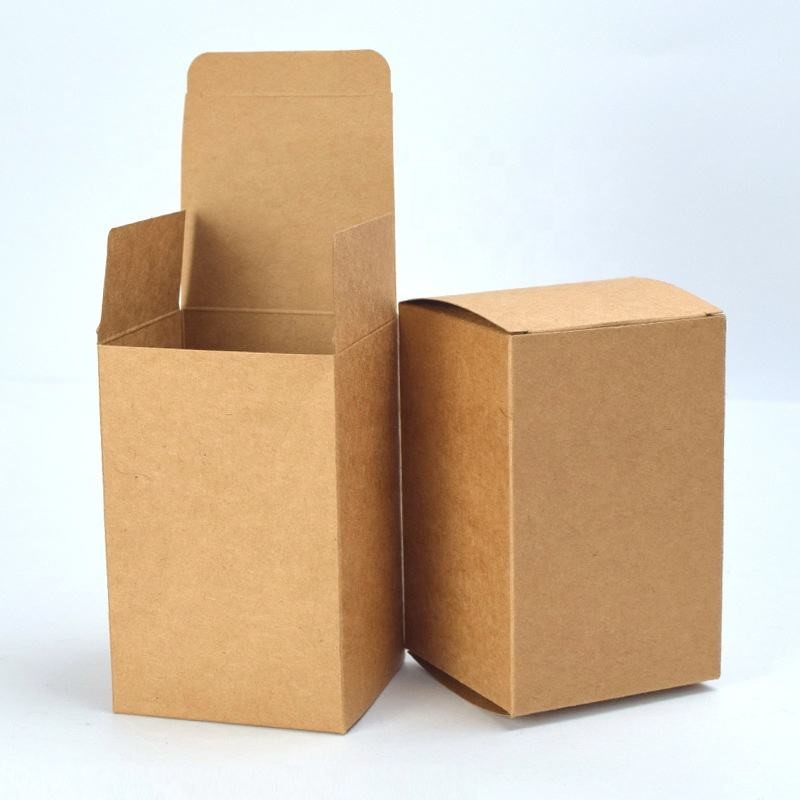
Choose the whole pack, not just the headline.
A useful packaging choice balances protection, presentation and the amount of material used. A lighter pack is not automatically better if it leaves a product vulnerable. Equally, extra layers and decorative finishes should have a clear purpose.
We help you discuss those trade-offs for your product and budget. Material availability and environmental characteristics depend on the exact construction you choose.
Four questions worth asking.
- Does it fit? Check the product dimensions and the protection needed. The right format can reduce unnecessary space and filling.
- What is it made from? Ask about the board, paper, coatings, adhesives and any additional components.
- Which finishes are useful? Consider whether the same presentation can be achieved with fewer layers or simpler finishing.
- What happens after use? Check disposal guidance for the complete pack and the recycling services available to your customer.
Explore the material options.
Paper and board
Look at paperboard cartons, corrugated mailers and paper bags in relation to their intended use. Ask about recycled content or certified material options for your specific order; these are not assumptions that apply to every product.
Wrapping and protection
Wrapping tissue and honeycomb paper wrap can form part of a paper-based packing approach. Check the amount needed, the printing and any other materials used with them.
Labels, coatings and accessories
A paper surface alone does not tell you how the whole pack should be disposed of. Adhesives, laminates, windows, handles and linings can change the answer.
Make claims you can explain.
Before printing an environmental statement on your packaging, ask for the evidence that applies to the actual material and construction. Recyclable, recycled and compostable describe different things. A claim about one component should not be presented as a claim about the whole pack.
Where certification or a particular standard is essential, include it in your brief so suitability and documentation can be checked before the order is confirmed.
Start with a sample and a conversation.
Use a material sample pack to compare the feel and construction of different options. Tell us what you pack, how it travels and which material requirements matter to your business. We can then discuss a specification that serves a practical purpose.