- How to Choose Suitable Packaging for Your Brand: A Complete Guide for UK Businesses
- What Is Suitable Packaging for Your Brand?
- 1. Choose the Right Type of Custom Packaging
- 2. Compare Packaging Materials
- 3. Choose the Correct Box Size and Structure
- 4. Custom Printing and Branding Options
- 5. Select Finishes That Match Your Brand
- 6. Custom Packaging Prices in the UK
- 7. Minimum Order Quantity, Samples and Artwork
- 8. Sustainable Packaging Considerations
- 9. How to Choose Packaging for Different Industries
- 10. How to Order Custom Packaging from QPack
- Frequently Asked Questions
- Conclusion
How to Choose Suitable Packaging for Your Brand: A Complete Guide for UK Businesses
Choosing suitable packaging for your brand is an important decision for any business that wants to protect its products, strengthen its identity and create a memorable customer experience. From custom printed mailer boxes and luxury presentation boxes to retail cartons and branded paper bags, the right packaging can help your business stand out in a competitive UK market.
However, selecting packaging involves more than choosing a colour or adding a logo. You need to consider product dimensions, material strength, printing quality, finishing options, order quantities, delivery requirements and budget.
At QPack, we help businesses explore custom packaging solutions that bring their products and brand identity together. This guide explains how to compare packaging options, understand indicative prices and prepare your requirements before requesting a quotation.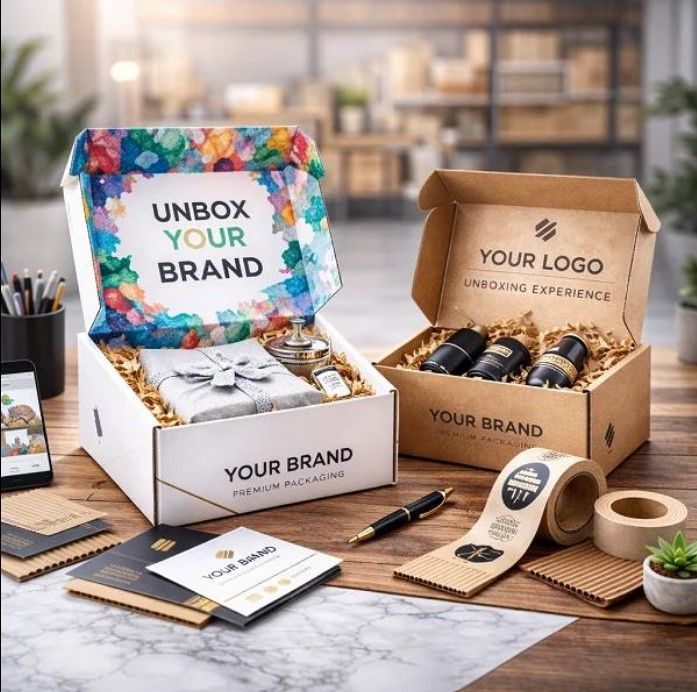
What Is Suitable Packaging for Your Brand?
Suitable packaging is packaging that meets your product's practical requirements while reflecting your brand's identity and the expectations of your customers.
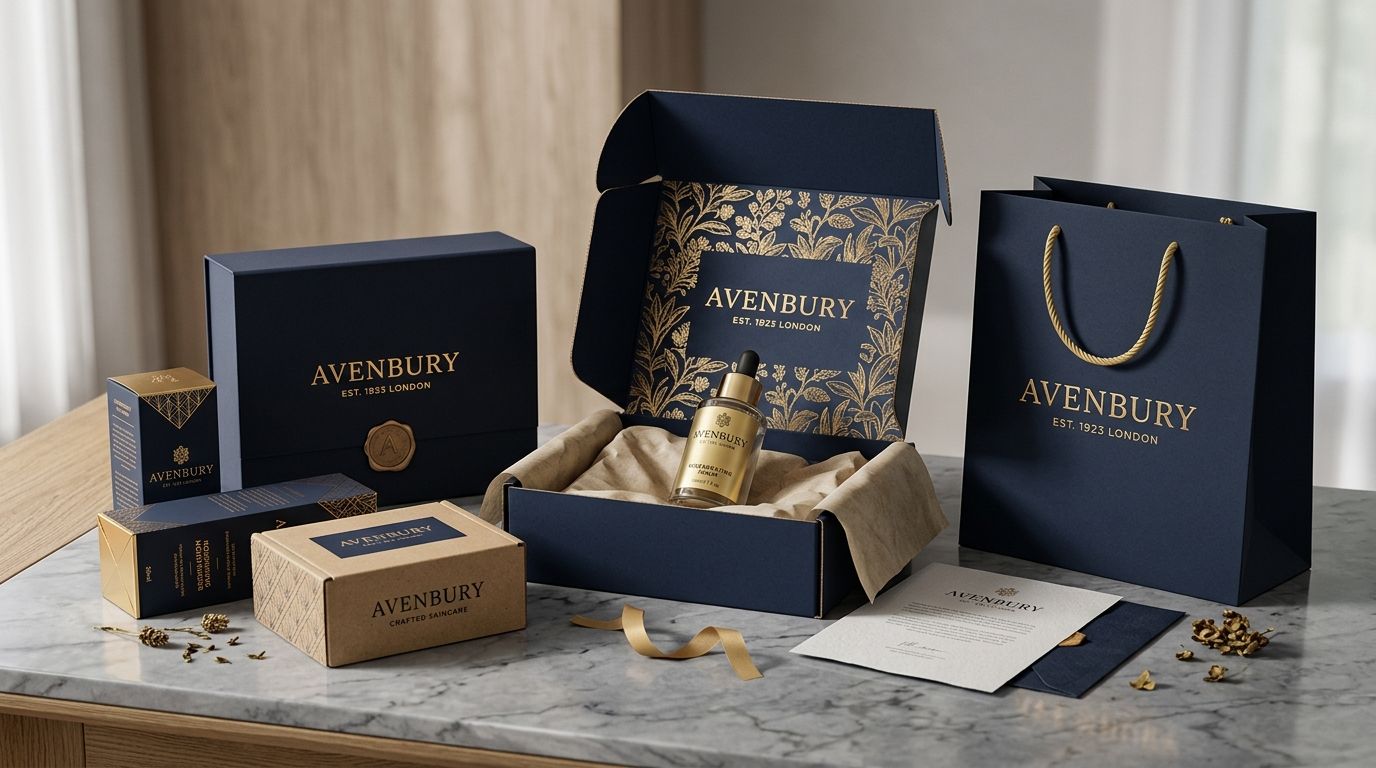
For an e-commerce business, this might mean a strong corrugated mailer box that protects products during delivery. For a beauty brand, it could be a printed cosmetic carton with a premium finish. A fashion retailer might choose branded paper bags, while a business selling luxury gifts may prefer rigid presentation boxes.
The right choice depends on five key factors:
- Product protection: Packaging must be appropriate for the product's weight, shape, fragility and handling requirements.
- Brand identity: Colours, typography, logos and printed messaging should reflect your business.
- Customer experience: Packaging should be easy to open, practical to handle and suitable for the product.
- Cost and quantity: The packaging specification should fit your budget and expected order volume.
- Sustainability: Consider material efficiency, sourcing, recyclability and the disposal of the complete package.
Understanding these factors before ordering helps you avoid unnecessary costs and choose packaging that supports your business objectives.
1. Choose the Right Type of Custom Packaging
Different products require different packaging structures. Below are the main options UK businesses can consider.
Custom Mailer Boxes
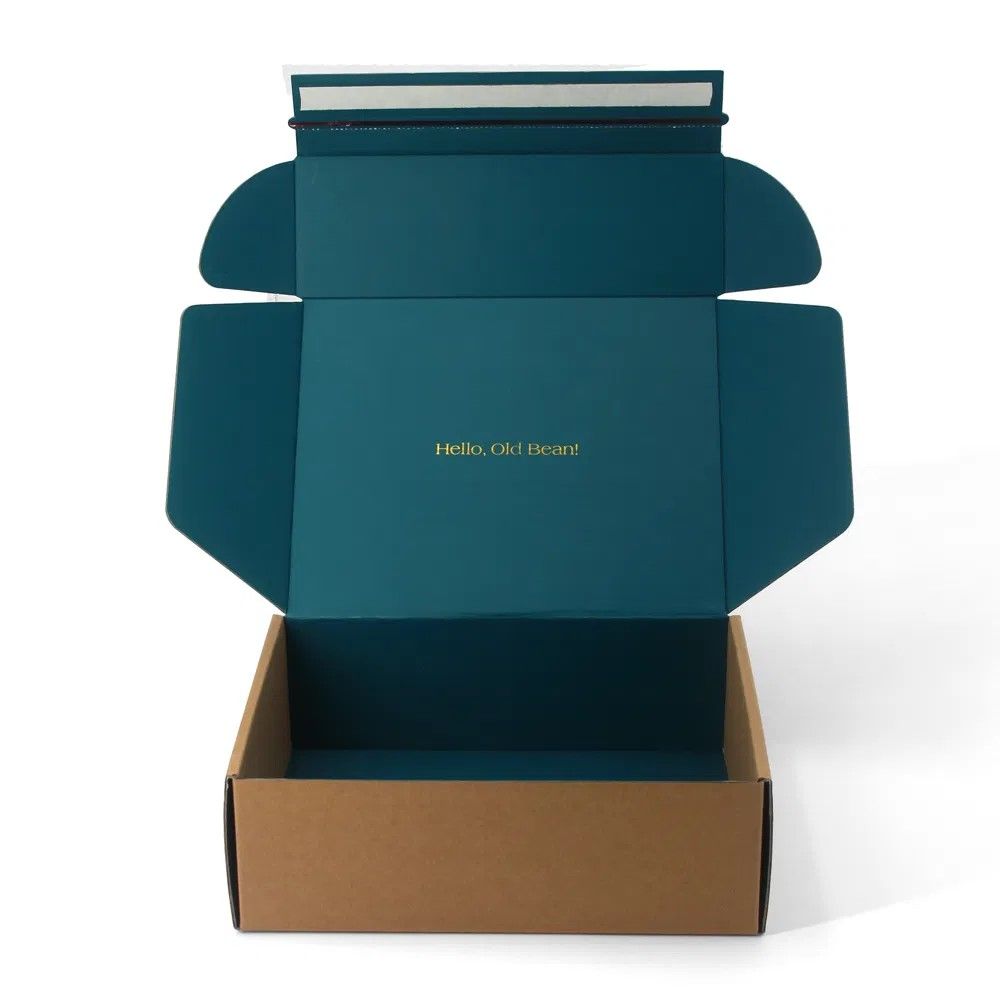
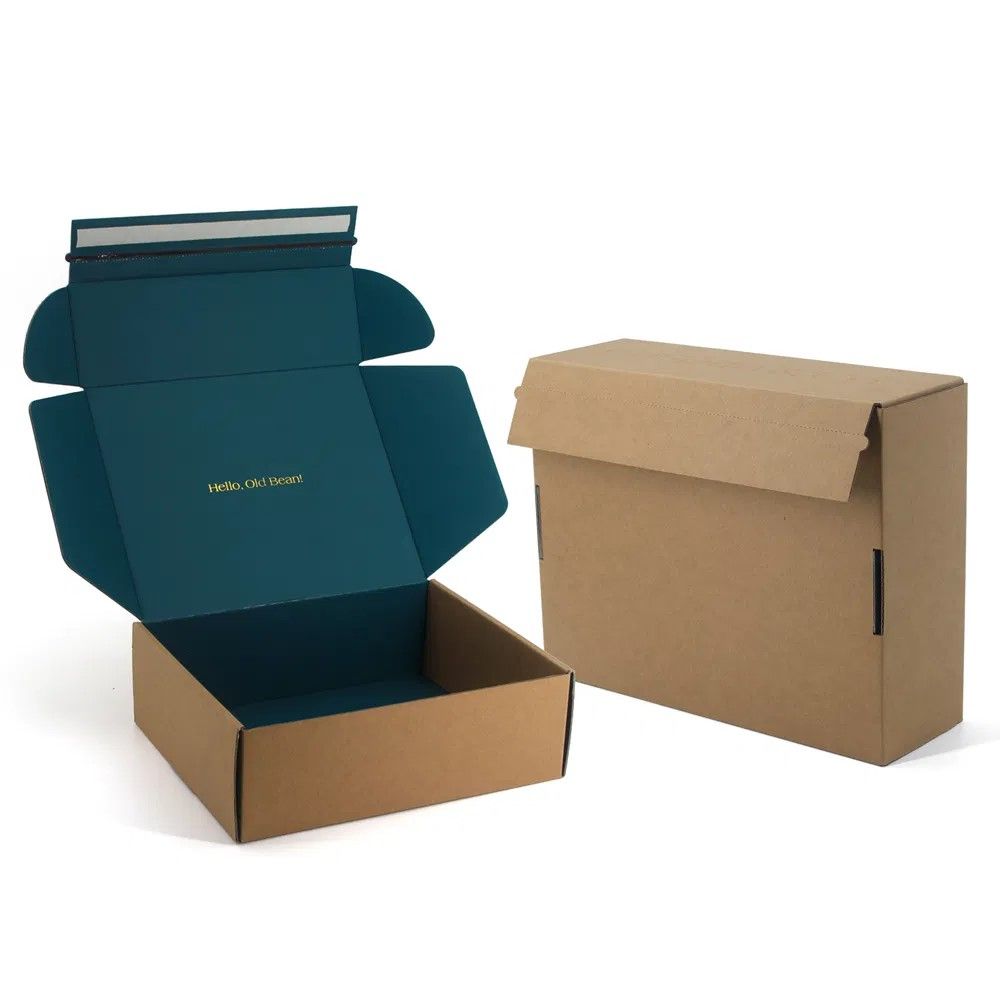
Custom mailer boxes are widely used by e-commerce brands, subscription services, clothing retailers and businesses delivering products directly to customers.
Their folding construction can provide a secure, organised package while allowing your brand to appear on the exterior and, where required, the interior.
Best suited for: Online orders, subscription products, clothing, accessories, promotional kits and selected gift items.
Customisation options: Full-colour printing, branded interiors, custom sizes, inserts, matt or gloss finishes and selected premium effects.
What to consider: Product dimensions, board strength, closure design, shipping conditions and whether the box needs additional cushioning.
Explore QPack's custom mailer box sizes and prices guide to understand the key specifications before ordering.
Custom Product Boxes
Custom product boxes are suitable for a wide range of retail and commercial products. Depending on the structure, they can be used for accessories, promotional products, small consumer goods and other items requiring branded presentation.
They can be produced in different dimensions and materials to suit the product and its intended use.
Best suited for: Retail products, accessories, promotional merchandise and branded product ranges.
Customisation options: Printed logos, product information, brand colours, custom dimensions and selected protective inserts.
What to consider: Whether the box needs to stand on a retail shelf, protect a delicate product or fit inside a separate shipping carton.
Custom Kraft Boxes
Kraft boxes offer a natural, understated appearance that works well for artisan products, independent retailers, gifts and selected food or retail applications.
Kraft packaging can be printed with logos and graphics, subject to the chosen material and printing process.
Best suited for: Handmade products, gifts, selected takeaway applications, subscription products and businesses seeking a simple paper-based appearance.
Customisation options: Logo printing, selected colours, different box structures and compatible finishing options.
What to consider: Product protection, grease or moisture resistance where necessary, print contrast and suitability for the intended application.
Kraft material alone does not guarantee that packaging is environmentally preferable. Assess the complete specification and disposal route before making environmental claims.
Folding Cartons
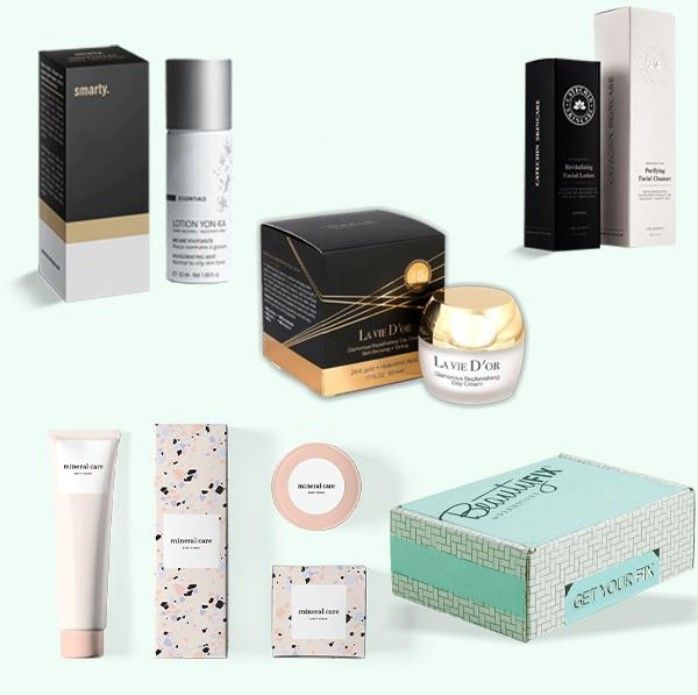
Folding cartons are commonly used for cosmetics, retail goods, lightweight consumer products and suitable packaged foods.
They can be designed with tuck-end closures and other folding structures, providing space for branding, product descriptions, instructions and required product information.
Best suited for: Cosmetics, skincare, retail products, lightweight goods and selected food applications.
Customisation options: Full-colour printing, matt or gloss finishes, foil stamping, embossing and suitable window features.
What to consider: Board grade, folding performance, product weight, display requirements and any applicable labelling or food-contact requirements.
Rigid Presentation Boxes
Rigid presentation boxes are designed for products where premium presentation and a substantial feel are important.
They are frequently used for corporate gifts, luxury products, jewellery, premium cosmetics and special-edition collections.
Best suited for: Luxury gifting, premium retail products, corporate gift sets and carefully presented products.
Customisation options: Decorative coverings, foil stamping, embossing, magnetic closures, fitted inserts and selected interior finishes.
What to consider: The additional material, storage and transport requirements associated with a rigid construction, alongside the presentation benefits it offers.
Branded Paper Bags
Branded paper bags help retail businesses carry their visual identity beyond the product itself. They are particularly useful for clothing shops, boutiques, gift retailers and suitable bakery or takeaway applications.
Best suited for: Retail shopping, gifting, clothing, accessories and suitable food-service uses.
Customisation options: Logo printing, brand colours, handle styles, paper choices and different bag dimensions.
What to consider: The weight of the contents, handle strength, bag dimensions and whether the material is appropriate for the product.
For additional information, see QPack's guide to ordering paper bags in small quantities.
2. Compare Packaging Materials
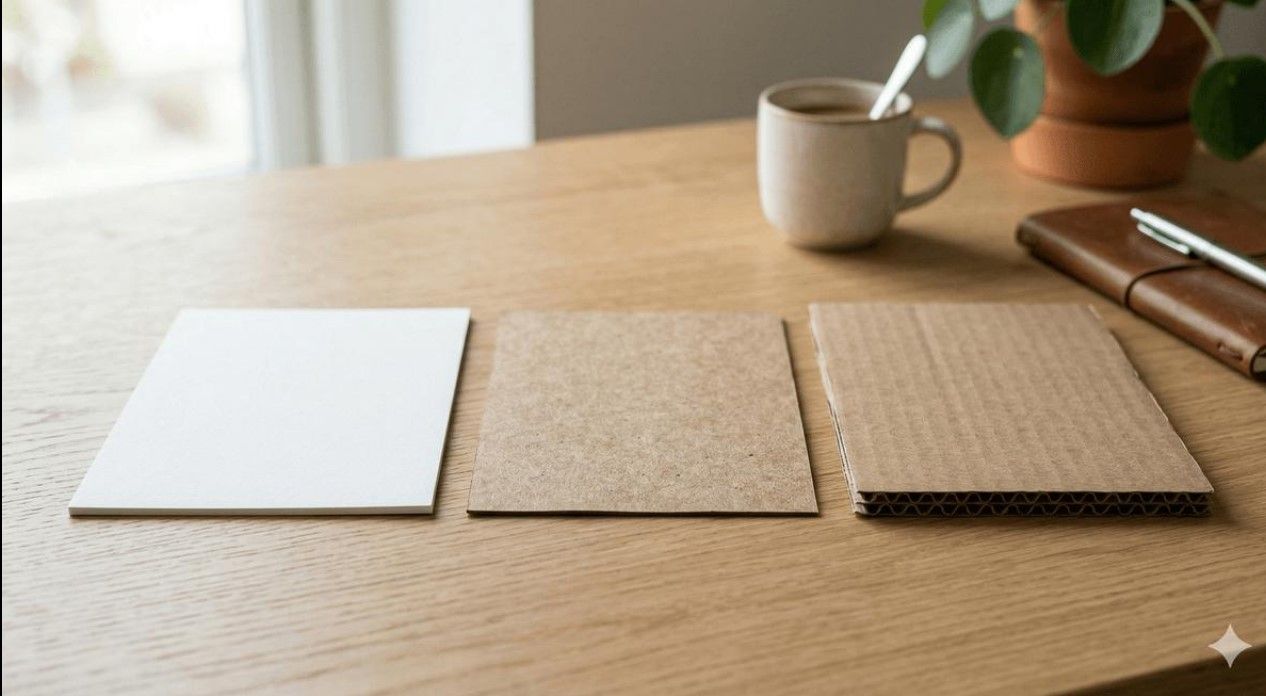
The material affects how packaging looks, performs and fits your budget. The most suitable choice depends on the product rather than simply which material appears most attractive.
Corrugated cardboard: Often suitable for shipping and e-commerce applications because its fluted construction can provide structural strength and cushioning.
Paperboard and folding boxboard: Commonly used for retail cartons and lightweight product packaging that requires clear printed graphics.
Rigid board: Suitable for presentation boxes where a firm structure and premium appearance are important.
Kraft paper and board: Often chosen for a natural appearance and a range of retail, gifting and suitable food-packaging applications.
Speciality papers and decorative materials: Can provide distinctive textures and visual effects for selected premium packaging designs.
When comparing materials, ask your supplier about the board grade, thickness, product weight limits, printing compatibility and any protective coatings required.
The material must be suitable for the product's actual use. For example, food packaging may require specific food-contact materials, while moisture-sensitive products may need additional protection.
3. Choose the Correct Box Size and Structure
The size of your packaging influences product protection, presentation, storage and delivery costs.
A box that is too large may require additional cushioning and occupy more space during transport. A box that is too small may damage the product or make packing difficult.
Before ordering, measure your product's length, width and height. Confirm whether the supplier requires internal or external dimensions, and allow for any protective inserts or secondary packaging.
Consider the following questions:
- Does the product fit comfortably inside the box?
- Is there sufficient space for protective inserts?
- Can the box close securely without damaging the contents?
- Will the packed dimensions comply with your courier's requirements?
- Can the packaging be stored and assembled efficiently?
If your business sells several product sizes, ask whether a small range of standard packaging dimensions could accommodate most orders.
For fragile or unusually shaped products, a sample or structural prototype can help confirm fit and protection before full production.
4. Custom Printing and Branding Options
Your packaging should make your business recognisable without making the design difficult to understand.
Full-Colour CMYK Printing
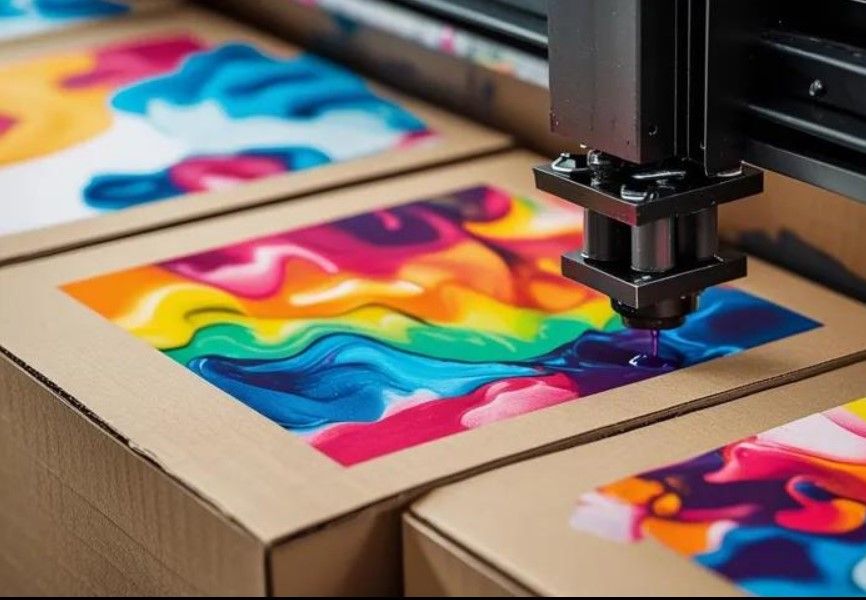
CMYK printing is suitable for designs that use multiple colours, photographs, illustrations and detailed graphics. It can be used across many custom box and paper packaging applications, depending on the material and print process.
Logo and Brand-Colour Printing
A simple logo and consistent brand colours can create a professional appearance without requiring a complicated design.
Interior Printing
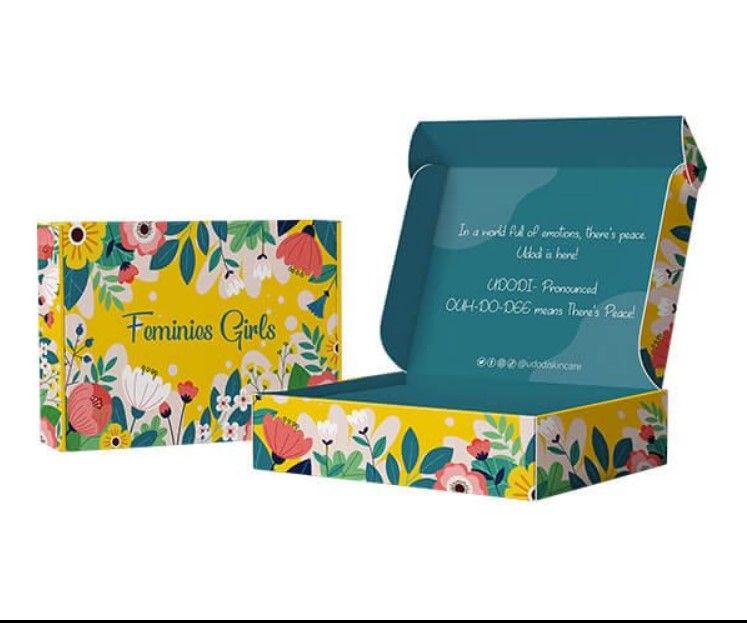
Printing inside a box can extend the brand experience when a customer opens the package. Options may include a welcome message, product-care instructions or brand graphics.
Product Information and Messaging
Packaging can communicate product names, instructions, promotional messages and relevant information. Ensure that required information remains readable and that any regulatory requirements are met.
When preparing artwork, supply the correct logo files, confirm the print areas and review a digital proof before approving production.
5. Select Finishes That Match Your Brand
Finishing options can change the appearance and feel of packaging. The most appropriate choice depends on your brand positioning, material and budget.
| Finish | Typical application |
|---|---|
| Matt lamination | A smooth, understated appearance |
| Gloss lamination | A shiny surface and vibrant visual presentation |
| Foil stamping | Metallic highlights for selected text or graphics |
| Embossing | Raised design elements |
| Debossing | Pressed-in design elements |
| Spot UV | Glossy details on selected areas |
| Protective coatings | Additional surface protection where compatible |
Not every finish is suitable for every material or printing method. Confirm compatibility with your packaging supplier.
For a restrained design, a simple printed logo may be sufficient. For luxury packaging, selected foil or embossing details may provide a more distinctive result.
6. Custom Packaging Prices in the UK
Packaging prices vary according to size, material, printing coverage, structural complexity, finishing, inserts and order quantity.
The following table provides indicative starting prices for planning purposes. These are the supplied estimates, not a guaranteed quotation for every specification.
| Packaging type | 100 units | 500 units | 1,000 units | 5,000 units | 10,000 units |
|---|---|---|---|---|---|
| Custom Mailer Boxes | From £4.20 | From £3.95 | From £2.60 | From £2.50 | From £0.65 |
| Custom Product Boxes | From £4.20 | From £3.95 | From £2.60 | From £2.42 | From £0.34 |
| Custom Kraft Boxes | From £2.90 | From £2.50 | From £2.30 | From £1.46 | From £1.38 |
| Folding Cartons | From £4.90 | From £3.78 | From £2.52 | From £2.35 | From £1.28 |
| Rigid Presentation Boxes | From £8.60 | From £5.85 | From £4.10 | From £3.90 | From £3.80 |
| Branded Paper Bags | From £3.65 | From £2.78 | From £2.55 | From £2.43 | From £2.36 |
Prices are indicative starting estimates in GBP per unit, based on the supplied pricing schedule. Final prices must be confirmed against the exact specification, artwork, quantity, delivery arrangements and applicable taxes. The table does not constitute a formal quotation.
Why Do Packaging Prices Change?
Order quantity: Larger orders may reduce the cost per unit by spreading setup and production costs across more items.
Box dimensions: Larger boxes can require more material and may affect shipping costs.
Material specification: Different board grades and constructions have different costs and performance characteristics.
Printing and finishing: Detailed graphics, special inks, foil stamping, lamination and inserts can affect the total.
Delivery requirements: Delivery destination, packed volume and shipping arrangements may influence the final quotation.
When comparing suppliers, request quotations for matching specifications rather than comparing unit prices alone.
7. Minimum Order Quantity, Samples and Artwork
Before placing an order, confirm the supplier's minimum quantity, sample arrangements and artwork requirements.
Minimum Order Quantity
QPack's standard planning brief for this offer starts at 100 units, subject to the chosen packaging type and production requirements. Not every structure or finishing combination will necessarily be available at the same quantity.
Samples
A sample can help you check the dimensions, material, fit and general presentation before committing to production.
QPack's stated sample budget is £50. Confirm whether this covers a blank sample, a printed sample, a structural prototype or another sample type, and whether delivery is included.
Artwork Support
Artwork support is available to help prepare designs for production. Provide your logo, preferred colours, design files and any required text.
Before approving a proof, check spelling, dimensions, artwork positioning, colours and all relevant product information.
Printing and Finishing
Printing and finishing options depend on the selected packaging structure, material and production method. Explain your preferred result to the supplier so the available options can be confirmed.
8. Sustainable Packaging Considerations
Businesses looking to improve their packaging choices should assess the complete package rather than rely on a single material description.
Consider reducing unnecessary packaging, selecting appropriately sized boxes, reviewing recyclable components and asking suppliers about responsible material sourcing.
Paper-based packaging may be appropriate for many applications, but coatings, windows, adhesives and other components can affect recycling. Food-contact and other regulated uses may also require specific materials.
Choose environmental claims that can be supported by evidence. Terms such as recyclable, compostable and plastic-free should only be used when the complete product specification justifies them.
9. How to Choose Packaging for Different Industries
E-commerce and subscription brands: Compare mailer boxes, appropriate corrugated structures and inserts that protect products while supporting the unboxing experience.
Beauty and skincare businesses: Consider folding cartons or suitable rigid boxes, with printing and finishes that reflect your brand's positioning.
Fashion and retail businesses: Explore branded paper bags, mailer boxes, swing tags and tissue paper for a consistent presentation.
Gift and corporate businesses: Rigid presentation boxes and carefully selected inserts can help organise and present products.
Food businesses: Choose packaging designed for the specific food, storage conditions and intended contact. Confirm applicable food-safety and labelling requirements.
Small businesses and start-ups: Start with a practical quantity, a clear design and a packaging specification that can be repeated as the business grows.
10. How to Order Custom Packaging from QPack
A clear brief makes it easier to identify suitable packaging and receive a relevant quotation.
Step 1: Explain your product. Tell us what you sell, how it will be packed and whether it needs special protection.
Step 2: Provide dimensions. Share the product measurements and any preferred packaging dimensions.
Step 3: Select your packaging style. Identify whether you need a mailer box, product box, folding carton, kraft box, rigid presentation box or paper bag.
Step 4: Choose materials and finishes. Tell us about your preferred board, colours, printing, inserts and surface effects.
Step 5: Confirm quantity and budget. Provide your estimated order quantity and target budget so suitable options can be considered.
Step 6: Submit your artwork. Send your logo and design files for review and a digital proof.
Step 7: Confirm the quotation and production details. Check the final specification, price, sample arrangements, delivery terms and agreed lead time before approving the order.
You can start by visiting QPack or using the custom packaging quote builder.
Frequently Asked Questions
What is the best packaging for a small business?
The best option depends on your product, order volume and budget. Mailer boxes are useful for many e-commerce products, folding cartons suit numerous retail applications, and paper bags can work well for shops and gifting.
Can I order custom branded packaging from 100 units?
QPack's stated planning quantity starts at 100 units, subject to the product and production specification. Confirm availability for your chosen structure, size and finishing options before ordering.
How much does custom packaging cost in the UK?
Prices depend on the packaging type, size, material, printing, finishing and quantity. The indicative table in this guide provides a starting point; a final quotation requires the full specification.
Can I print my logo and brand colours on packaging?
Yes, custom printing options can include logos, brand colours, product information and other graphics. Available printing methods depend on the selected material and packaging structure.
Should I request a sample before placing a large order?
A sample is particularly useful when dimensions, fit, material or presentation are important. It can help identify issues before production, although a sample may not represent every aspect of the final production run.
What should I send when requesting a packaging quote?
Provide product dimensions, packaging type, quantity, material preferences, artwork, finishing requirements and delivery destination. Product photographs can also help explain your requirements.
Conclusion
Choosing suitable packaging for your brand requires a balance between protection, appearance, cost, practicality and sustainability. By understanding the available packaging styles, comparing materials, confirming dimensions and reviewing printing and finishing options, you can make a more informed decision.
Whether you need custom mailer boxes, retail cartons, kraft packaging, luxury presentation boxes or branded paper bags, the right specification should work for both your products and your customers.
Ready to explore packaging for your business? Visit QPack or request a custom packaging quotation to discuss your requirements.
London-based packaging specialists engineering bespoke mailer boxes, folding cartons, kraft paper bags, and sustainable food packaging solutions for UK brands.