- What Is Subscription Box Packaging?
- 1. Choose the Right Type of Subscription Box
- 2. Select the Right Material
- 3. Get the Box Dimensions Right
- 4. Use Custom Inserts to Protect and Organise Products
- 5. Make Your Subscription Packaging Feel Like Your Brand
- 6. Add the Finishing Touches
- 7. Design for UK Postage and Delivery
- 8. How Much Does Custom Subscription Box Packaging Cost?
- 9. Custom Design, Samples and Production Planning
- 10. Sustainable Subscription Packaging
- 11. Which Subscription Businesses Can Benefit from Custom Packaging?
- Frequently Asked Questions About Subscription Box Packaging
- Find the Right Subscription Box Packaging for Your Business
Subscription Box Packaging UK: Custom Boxes, Inserts & Pricing Guide
Subscription businesses need packaging that does more than deliver products. It must protect the contents, represent the brand, make packing straightforward and give customers a positive experience every time an order arrives. Choosing the right subscription box packaging in the UK can also help businesses manage storage, shipping costs and repeat fulfilment.
Whether you sell beauty products, candles, coffee, tea, snacks, stationery, pet accessories or curated gifts, the right packaging should suit your products, delivery method and budget.
In this guide, we explain how to choose custom subscription boxes, compare cardboard materials, select internal inserts, explore printing options and understand the factors that affect packaging prices.
Looking for bespoke packaging for your subscription service? Explore QPack's custom mailer boxes or discover our custom subscription box packaging to find a solution suited to your business.
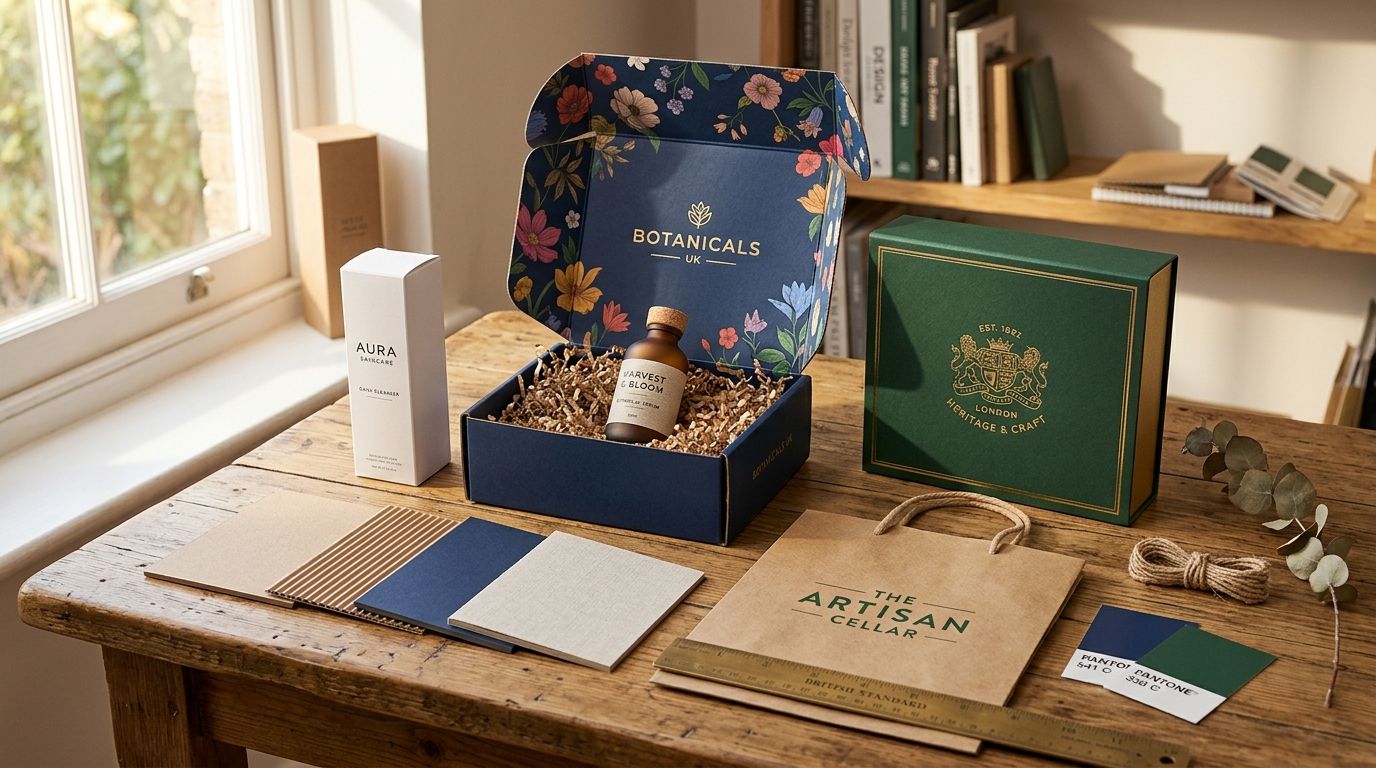
[INSERT IMAGE 1 HERE — Featured image]
What Is Subscription Box Packaging?
Subscription box packaging is designed for businesses that send products to customers regularly, whether weekly, monthly, quarterly or according to another schedule. Unlike one-off e-commerce packaging, subscription packaging must work consistently across repeated orders.
A typical subscription packaging set-up may include a printed cardboard mailer box, protective inserts, branded tissue paper, product information cards, stickers and a shipping label. The exact combination depends on the products being delivered and the experience you want customers to have.
For example, a beauty subscription might use a printed corrugated box with individual compartments for skincare products. A coffee subscription could use a compact mailer designed around coffee bags and tasting notes. A gift subscription may need premium printing, coloured tissue and a personalised message.
The objective is to create packaging that protects the products, looks professional and makes the customer feel that every detail has been considered.
1. Choose the Right Type of Subscription Box
The best box style depends on product weight, dimensions, fragility, presentation requirements and how the order will be dispatched.
Custom Corrugated Mailer Boxes
Corrugated mailer boxes are a versatile option for subscription businesses sending products directly to customers. They are designed to fold into a protective structure and can often be assembled without separate packing tape, depending on the construction.
They work well for beauty products, clothing, stationery, gifts, accessories and multi-product subscription sets. Custom printing can be applied to the exterior and, where the specification allows, the interior.
A well-designed mailer can combine delivery protection with a branded opening experience.
Letterbox-Friendly Subscription Boxes
Letterbox-friendly packaging is worth considering when the contents are relatively flat, lightweight and compact. Suitable products might include tea sachets, stationery, sample-size products, small accessories and selected beauty items.
In the UK, Royal Mail's Large Letter format has maximum dimensions of 353 × 250 × 25 mm and a maximum weight of 750 g for the relevant service. Check the latest requirements before approving your final packaging design because the packed dimensions, weight and service rules all matter.
A slim box that fits the correct postal format may help reduce delivery costs and the likelihood of a parcel requiring collection. However, letterbox compatibility should never come at the expense of product protection.
Folding Cartons and Product Boxes
Folding cartons are made from paperboard and are suitable for products that need neat retail presentation. They can work well for individual cosmetics, accessories, tea products, small gifts and products that will be placed inside a larger shipping box.
For subscription services, folding cartons can also separate individual products within a larger monthly collection. They may be combined with corrugated outer packaging when the order needs additional protection during transit.
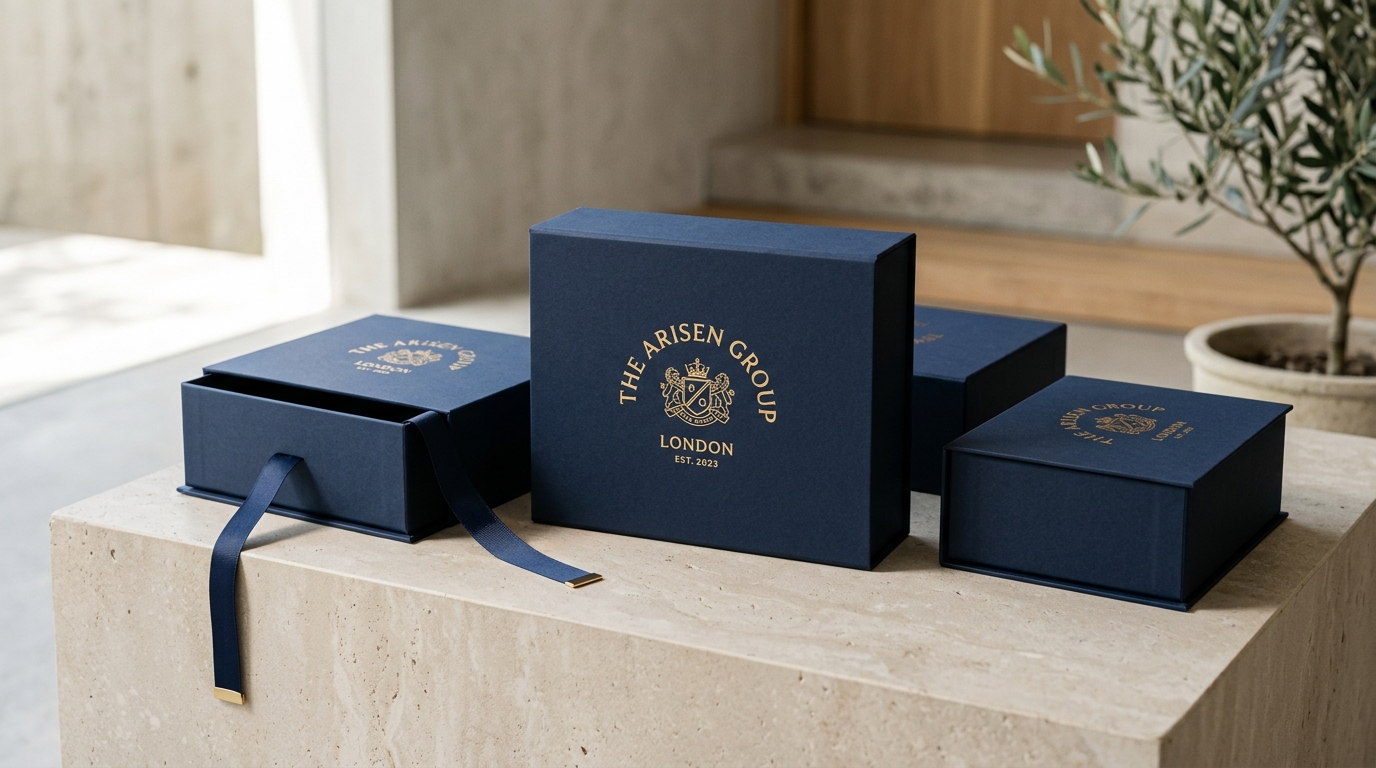
Rigid Subscription Gift Boxes
Rigid boxes offer a more substantial presentation and are often chosen for premium gifts, luxury beauty products, jewellery and carefully curated collections.
Depending on the design, they may feature a lift-off lid, magnetic closure, wrapped paper finish or fitted insert. They can create an elevated presentation, but are usually heavier and may take up more storage space than flat-packed corrugated mailers.
Consider rigid boxes when premium presentation is a central part of your offer and the extra packaging cost is justified by the product and customer experience.
[INSERT IMAGE 2 HERE — Box style comparison]
2. Select the Right Material
Material selection affects strength, appearance, printing quality, weight and price. It is important to choose material according to the actual products being shipped rather than appearance alone.
E-Flute Corrugated Cardboard
E-flute is a relatively fine corrugated board that can offer a neat printed surface with useful rigidity for many lightweight and medium-weight applications. It is often considered for custom mailer boxes, presentation packaging and smaller e-commerce shipments.
The appropriate board specification depends on the dimensions of the box, the weight of its contents, the distribution process and the required level of protection.
B-Flute and Other Corrugated Boards
B-flute and other corrugated constructions may be suitable where greater cushioning or structural strength is required. The best choice depends on the product, its weight and the conditions it may encounter during handling and delivery.
For heavier products, fragile items or multi-product kits, ask your supplier whether a stronger board grade or a separate protective insert is needed.
Kraft Paperboard
Kraft-style board provides a natural, understated look that suits many lifestyle brands, organic product concepts, craft businesses and gift subscriptions.
It can be used for a simple logo-led design or combined with selected colours and illustrations. Keep in mind that the final appearance of printed colours depends on the board's natural shade and the printing method.
Recycled and Responsibly Sourced Materials
Where environmental considerations matter to your customers, ask suppliers about recycled content, responsible sourcing and available material certifications.
Do not assume that a product is recyclable simply because it contains paper or cardboard. Laminations, coatings, adhesives, mixed materials and local collection arrangements may affect disposal options. Confirm the specifications of the finished packaging before making environmental claims.
3. Get the Box Dimensions Right
Correct sizing is one of the most important parts of custom subscription packaging. A box that is too large wastes space and may require extra protective filling. A box that is too small can crush products, damage presentation or make packing difficult.
Before requesting a quotation, measure the products that will be packed together. Record their length, width, height and weight, including any lids, accessories or retail packaging.
Then consider:
- Internal dimensions: These describe the usable space inside the finished box.
- Product clearance: Allow suitable space for inserts, wrapping and safe placement. The amount depends on the product and packaging construction.
- Packed weight: Include every product, the box, inserts and other packing materials.
- Courier limits: Check the relevant carrier's size and weight bands before finalising dimensions.
- Packing method: Ensure staff can place products inside without excessive handling or forcing items into position.
Where several subscription combinations share common products, ask whether one or two standard box sizes could accommodate them using interchangeable inserts. This may simplify storage and reduce the number of packaging formats you need to manage.
Always request a structural sample or trial pack before committing to a large production run.
4. Use Custom Inserts to Protect and Organise Products
Custom box inserts help hold items in place, create separation and present several products neatly when the box is opened.
They are particularly useful for subscription kits containing products of different shapes or materials.
Common Insert Options
Corrugated inserts: Useful for separating products and providing additional structural support inside a mailer.
Paperboard dividers: Suitable for organising lighter products, samples, cards and small retail items.
Die-cut card fitments: Designed around individual product shapes to help maintain a tidy arrangement.
Moulded fibre inserts: May suit certain products where a shaped, paper-based cushioning component is appropriate.
Tissue paper and paper filling: Useful for wrapping products, filling selected gaps and creating a layered presentation, provided the product remains adequately protected.
The insert should be designed around your actual product layout. Bottles may need stable bases and separation; glass items may need more substantial protection; small accessories may benefit from dedicated compartments.
Avoid adding unnecessary packaging layers. Every insert should serve a clear purpose, whether protection, organisation, product presentation or easier handling.
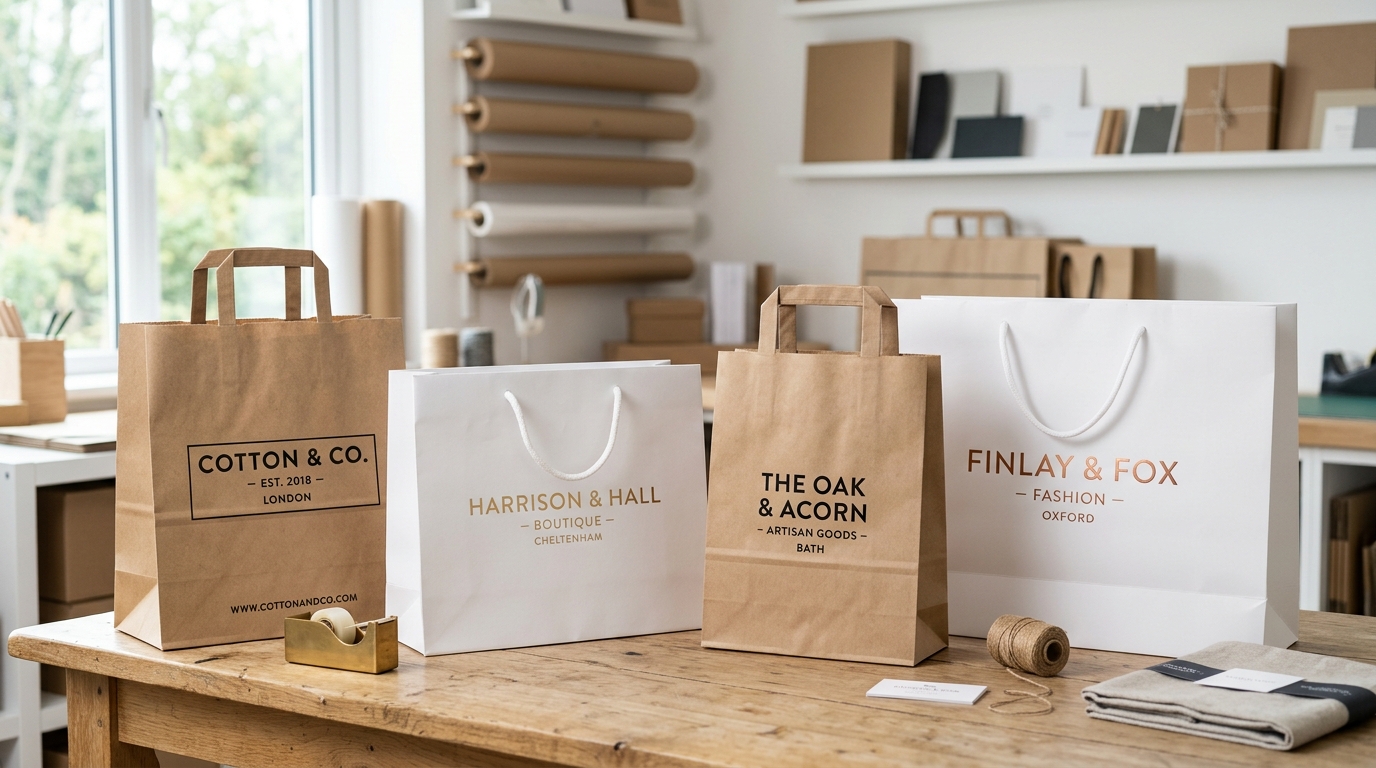
[INSERT IMAGE 3 HERE — Internal insert and product layout]
5. Make Your Subscription Packaging Feel Like Your Brand
Subscription packaging is a repeated brand touchpoint. Each delivery is an opportunity to present your visual identity consistently and make the product feel carefully prepared.
Exterior Printing
The outside of the box can carry your logo, brand colours, illustrations, product range, website and selected campaign messages. A simple, recognisable layout can look just as professional as a complex full-colour design.
Consider how the box will look on a doorstep, in a delivery room or on a customer's desk. Keep essential information legible and avoid covering important areas with shipping labels.
Interior Printing
Inside printing creates a surprise when customers open the box. It can feature a welcome message, seasonal artwork, a brand story, product-care instructions or a message introducing the next subscription release.
Interior printing is optional, so consider whether the extra cost supports your brand goals. If the exterior already communicates your identity effectively, branded tissue paper or a printed insert card may be a more economical alternative.
Colour and Print Finishes
Common printing options include full-colour CMYK, selected spot colours and, where available, Pantone colour matching. The suitable method depends on the artwork, quantities, material and colour consistency required.
Finishes may include matte or gloss effects, selected laminations, foil details or other decorative treatments. Not every finish is suitable for every board or every environmental objective, so ask for material-specific recommendations.
Before production, review the digital proof carefully. Check spelling, logo placement, colour references, image quality and all text intended for the final design.
6. Add the Finishing Touches
A subscription box does not need lots of extras to look premium. A few well-chosen details can make the package more distinctive while keeping assembly practical.
Consider adding:
- Custom printed tissue paper to wrap individual products.
- A branded sticker or seal to close tissue or secure a presentation layer.
- A thank-you card with a welcome message or referral code.
- A product guide explaining how to use the contents.
- A seasonal insert announcing a future collection.
- A QR code linking to a useful page on your website.
QPack offers custom printed tissue paper for branded wrapping and printed flyers and leaflets that can be used for product information, instructions and promotional inserts.
Make sure that any promotional details remain accurate and that QR codes are tested before printing. Small details should make opening and using the products easier, not create unnecessary packaging waste.
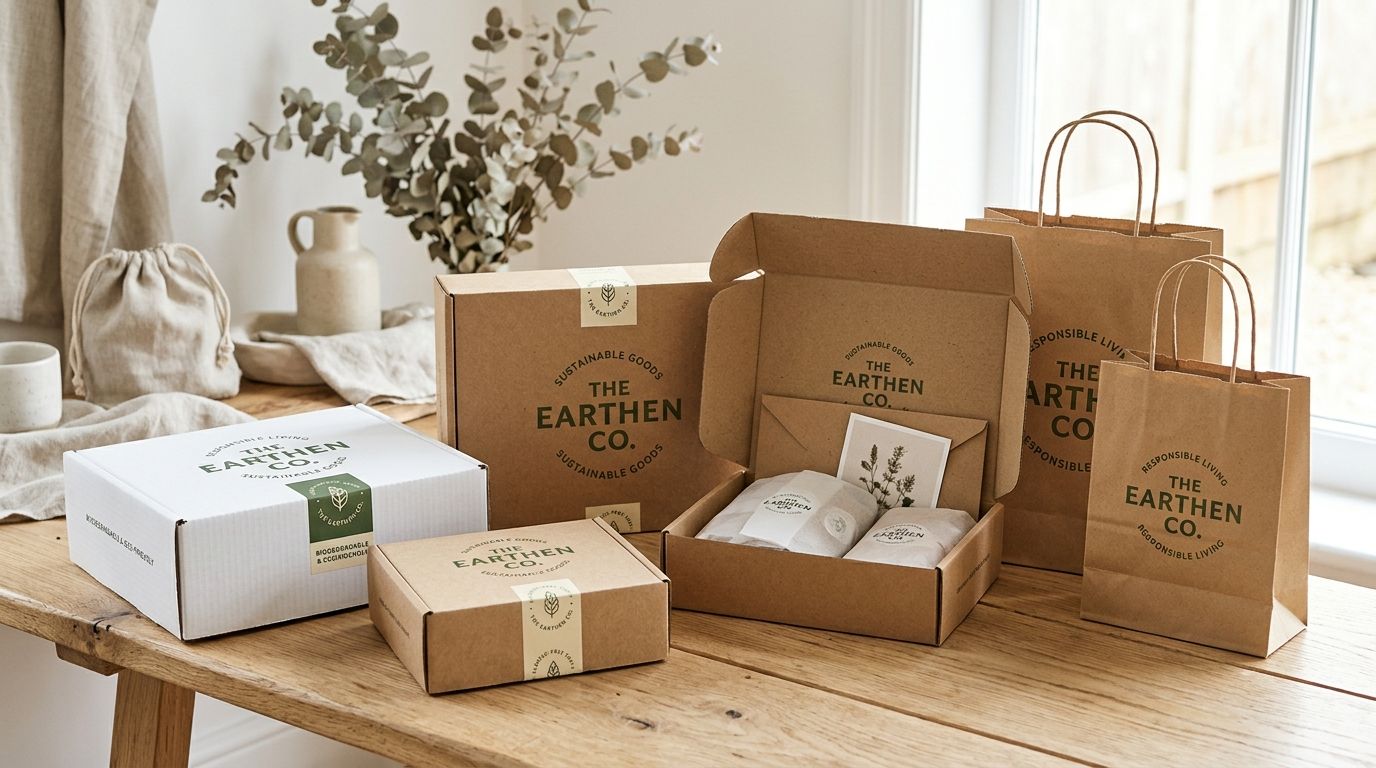
[INSERT IMAGE 4 HERE — Branded tissue and inserts]
7. Design for UK Postage and Delivery
A visually attractive box must also work in the delivery network. Packaging dimensions, packed weight, construction and product fragility can all influence how an order should be dispatched.
Start by checking the delivery services your business plans to use. For Royal Mail, Large Letter items and parcels have different size and weight limits. Other carriers may apply their own limits, dimensional-weight calculations and pricing structures.
Before approving the box:
- Measure the finished, closed box rather than relying only on flat artwork dimensions.
- Weigh a fully packed sample.
- Confirm the relevant carrier's current size and weight bands.
- Test whether the closure remains secure during normal handling.
- Check that fragile or heavy contents cannot move excessively inside.
- Consider how the box will be stored, picked, packed and dispatched.
For a recurring subscription service, even a small change in dimensions can affect the cost of hundreds or thousands of deliveries over time. Discuss postal requirements with your packaging supplier before the structure is finalised.
8. How Much Does Custom Subscription Box Packaging Cost?
There is no single price for every custom subscription box. A compact one-colour mailer and a larger box with full-colour printing, bespoke inserts and premium finishing require different materials and production processes.
The main factors affecting custom subscription box prices include:
Box size: Larger boxes generally require more material and may increase storage and delivery costs.
Board grade: The required strength and construction influence the material specification.
Order quantity: Production and setup costs are distributed across the order. Request prices at several quantities to understand how the unit cost changes as volume increases.
Printing: Exterior-only printing may cost less than printing both the exterior and interior. Colour requirements and artwork complexity can also affect the price.
Finishing: Laminations, foil details, specialist finishes and additional components can increase costs.
Inserts: Custom-cut inserts require their own material, layout and tooling considerations, depending on the design.
Delivery: Freight, pallets, delivery destination and order volume can affect the overall landed cost.
How to Compare Quotes Properly
When requesting prices, ask suppliers to quote the same specification at quantities such as 100, 500, 1,000 and 5,000 units, where available.
Compare the complete specification rather than the headline unit price. Check whether the quotation includes printing, inserts, artwork preparation, samples, delivery and any applicable taxes or setup charges.
The cheapest unit price is not always the lowest overall cost. A box that is oversized, difficult to assemble or poorly suited to the delivery service can create additional costs after production.
QPack can review your requirements and help you explore suitable custom packaging options. Visit our custom mailer boxes page to discuss your specification.
9. Custom Design, Samples and Production Planning
A clear specification helps your supplier recommend the right construction before artwork is finalised.
For an accurate quotation, prepare the following information:
- The products you plan to include in the subscription.
- Internal box dimensions or the dimensions of the largest product combination.
- The estimated order quantity and expected repeat order frequency.
- Preferred material, board strength and box style.
- Printing requirements for the exterior and interior.
- Insert design and the number of items to be held in place.
- Required finishes, such as matte, gloss or foil.
- Delivery postcode and target delivery date.
If your artwork is still being developed, you can begin with a design brief and product layout. The final artwork should follow the manufacturer's dieline, including the correct bleed, crease lines, cut lines and glue areas.
Where possible, approve a physical sample or complete a trial packing run before mass production. This helps you inspect the dimensions, closure, print quality, fit and overall presentation.
Production lead times depend on the material, box construction, printing process, quantity, artwork approval and delivery arrangements. Ask the supplier to confirm the expected schedule in writing before placing the order.
10. Sustainable Subscription Packaging
Many businesses want packaging that reflects their environmental commitments without compromising protection or presentation.
One practical starting point is right-sizing. Use a box that fits the products appropriately and does not require excessive void filling. Reduce unnecessary components and select materials that are suitable for the product and intended delivery conditions.
You can also ask about recycled or responsibly sourced paperboard, paper-based inserts and simpler material combinations.
However, sustainability depends on the complete packaging specification. A paper box with a mixed-material lining or certain finishes may have different disposal requirements from an uncoated paperboard box.
Before making claims such as “fully recyclable”, check the materials and components with your supplier and consider the waste collection facilities available to your UK customers. Businesses placing packaging on the UK market should also check the applicable government guidance on packaging waste and producer responsibilities.
The best approach is to balance protection, material efficiency, product suitability and clear disposal information.
11. Which Subscription Businesses Can Benefit from Custom Packaging?
Custom subscription packaging can be adapted to many product categories.
Beauty and skincare: Mailer boxes with dividers for bottles, jars, samples and accessories.
Coffee and tea: Compact packaging for sachets, pouches, tasting cards and monthly selections.
Food and snacks: Well-fitted boxes and suitable food-contact packaging components, where required for the product.
Candles and home fragrance: Protective inserts to help keep containers stable during transit.
Books and stationery: Slim mailers, product cartons and organised compartments for notebooks, cards and accessories.
Pet products: Custom boxes for treats, toys, grooming products and themed monthly bundles.
Gifts and lifestyle products: Branded mailers, tissue paper and presentation inserts for curated collections.
The right structure varies by product. If you sell fragile, heavy, liquid or food items, share those details with your supplier before the material and insert design are selected.
Frequently Asked Questions About Subscription Box Packaging
What is the best packaging for a subscription box?
For many subscription products, a corrugated mailer box is a useful starting point because it combines a structured box format with opportunities for branding. The best choice depends on product weight, fragility, dimensions, presentation requirements and delivery method.
Can I order custom subscription boxes with my logo?
Yes. Custom subscription boxes can be printed with a company logo, brand colours, artwork and messaging. Depending on the specification, printing may be available on the exterior, interior or both surfaces.
What size should my subscription box be?
Start with the dimensions of the products you plan to pack together. Allow suitable clearance for inserts and protective materials, and consider the finished box dimensions required by your chosen carrier. Approve a physical sample before placing a large order.
Are subscription boxes suitable for Royal Mail delivery?
They can be, provided the finished package meets the requirements of the relevant Royal Mail service. Check the current size and weight limits before finalising the box, then test a fully packed sample.
Can I include custom inserts in a subscription box?
Yes. Paperboard dividers, corrugated inserts and other suitable fitments can help hold products in place. The insert should be designed around the actual contents and the protection needed during delivery.
Can subscription boxes be printed inside and outside?
Depending on the material, structure and printing specification, both surfaces may be customised. Interior printing is useful for messages, illustrations and product information, but its value should be weighed against the additional cost.
What is the minimum order quantity for custom subscription boxes?
Minimum order quantities vary by supplier, material, printing method and box construction. Share your required quantity when requesting a quote so the supplier can confirm the available production options.
How much do custom subscription boxes cost in the UK?
Prices depend on dimensions, material, order quantity, printing, inserts, finishing and delivery. Request comparable quotations at several quantities and check what is included before deciding.
Can I order a sample before bulk production?
Ask your supplier about digital proofs, structural samples and printed production samples. A physical sample or trial packing run can help confirm dimensions, fit, closure and presentation before the main order proceeds.
Are kraft subscription boxes environmentally friendly?
Kraft-style packaging may be suitable for some environmental objectives, but its impact depends on the actual board, recycled content, coatings, adhesives and local recycling facilities. Confirm the specification rather than relying on the material's appearance alone.
How long does subscription box production take?
Lead times depend on the chosen structure, quantity, printing process, artwork approval and delivery requirements. Ask for a confirmed production and dispatch schedule when requesting your quotation.
Can one box size be used for different subscription products?
Sometimes. If the products have similar dimensions, a shared box with interchangeable inserts may work well. However, different product combinations should be tested to ensure the contents remain protected and the packaging does not become unnecessarily large.
What artwork files do I need for custom printed boxes?
Your supplier will normally provide or approve a dieline for the selected box structure. Final artwork should follow that template and include the required bleed, safe margins, cut lines, creases and unprinted glue areas. Confirm the file format and resolution with the printer.
What should I send a supplier to get an accurate quotation?
Provide product dimensions and weights, box size, material preference, print requirements, insert details, order quantity, delivery postcode and target date. Include reference images or existing artwork if available.
Find the Right Subscription Box Packaging for Your Business
Choosing the right subscription box packaging in the UK means balancing product protection, brand presentation, storage, delivery and cost. A well-designed box should be attractive to open, practical to assemble and suitable for the products travelling inside it.
Whether you need compact letterbox packaging, full-colour corrugated mailers, custom inserts or branded tissue paper, start with your product dimensions and delivery requirements. Then compare specifications and request a sample before committing to full production.
Ready to develop your packaging? Contact QPack to discuss your subscription box requirements, explore suitable materials and request a quotation tailored to your products and order quantity.
Explore QPack's custom mailer boxes, custom printed tissue paper and custom subscription box solutions.
QPack – Quality Packaging Solutions for UK Businesses.
London-based packaging specialists engineering bespoke mailer boxes, folding cartons, kraft paper bags, and sustainable food packaging solutions for UK brands.